Modern cars are packed with more electrical circuits than a small office building. Every feature, from the power windows to the fuel pump, demands a precise and reliable flow of electricity. Yet, most drivers never think about the silent, hidden switches that make it all possible until something stops working. That's when you hear the familiar, frustrated sigh: "Everything else works, so why won't this one thing?"
The answer often lies in a small, inexpensive box called a relay. These are the unsung heroes of your car's electrical system, and understanding how they work is the key to diagnosing a huge range of problems without feeling lost. I see it all the time. A customer brings in a car with a non-working fan or a dead fuel pump. They've already checked the fuse and say, "The fuse is fine, so it must be the whole unit." Nine times out of ten, we swap a $15 relay and the car is fixed. That moment of realization is why I love explaining this.
What a Relay Actually Does (And Why Your Car Needs Dozens)
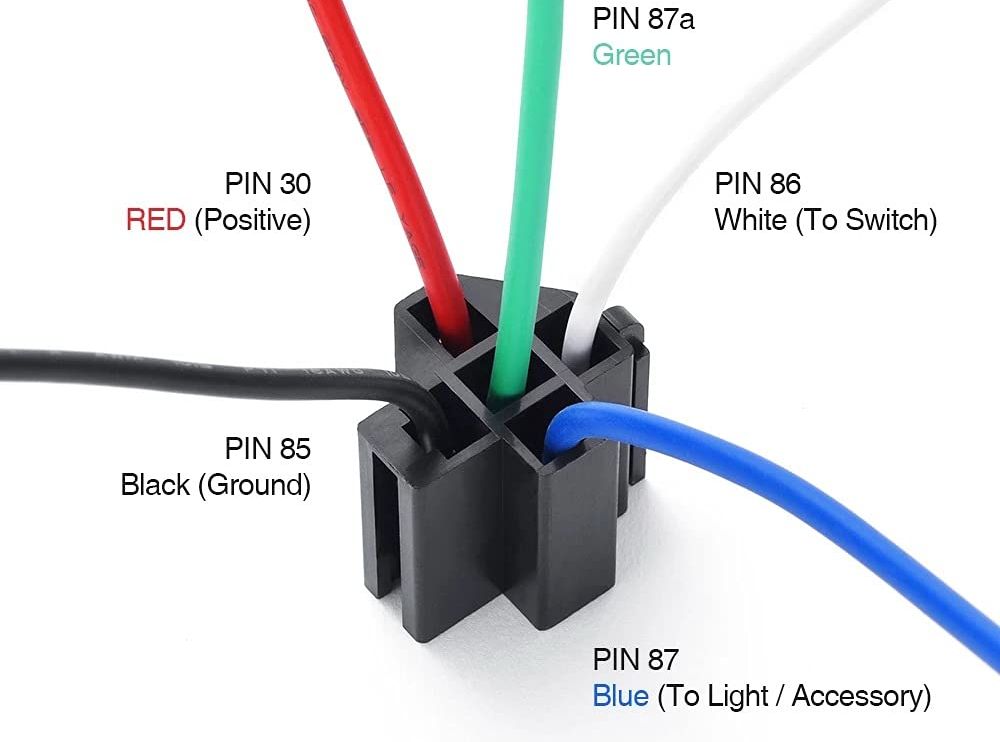
A relay is a remote-controlled switch. Its job is simple: to allow a small, low-current signal from a switch or computer to safely control a much larger, high-current electrical load. Think of it as a middleman with very strong hands. You press a light, low-amperage button on your dashboard, and the relay clicks, using that tiny signal to close a heavy-duty circuit that can handle the 20-30 amps a cooling fan motor needs.
This setup is crucial for two reasons. First, it protects your delicate dashboard switches and engine control modules from being fried by high current. Running that heavy load through your steering column wiring would be a fire hazard. Second, it allows for smart control. Your car's computer can easily trigger a relay to turn something on or off based on temperature, pressure, or time, without the computer itself carrying the electrical burden. The AutoZone relay guide explains this core function clearly: it's an electrically operated switch that isolates circuits.
When a relay fails, the symptom is usually absolute. The component it controls simply won't operate. No sound, no movement, nothing. But the circuit's fuse might still be intact, which leads to that confusing diagnostic dead end. "The fuse is good, so there must be power," is the logical assumption. But without the relay closing the circuit, power never reaches the device.
How to Spot a Failing Relay Before It Leaves You Strandung
Relays are robust, but they're mechanical devices with moving parts and electrical contacts that wear out. Failure doesn't always mean complete silence. Often, there are warnings.
The most common sign is intermittent operation. Your radiator fan might work one day and not the next. The fuel pump might take an extra second to prime when you turn the key. You might hear a rapid, chattering click from the fuse box when trying to operate something. This happens because the relay's internal contacts are pitted or corroded. They try to make a connection but can't sustain it. I've had customers describe it perfectly: "It works when it feels like it." That's almost always a relay on its last legs.
Another telltale sign is a component that only works after a firm tap on the relay box or fuse panel. This classic "percussive maintenance" trick temporarily jostles the stuck contacts inside the relay to connect. If tapping makes it work, you've found your culprit. It's a temporary fix, though. That relay needs replacing soon.
The Simple Swap Test: Your Most Powerful Diagnostic Tool
You don't need to be an electrical engineer to test a relay. Most modern vehicles use several identical or similar relays in the same fuse box. This is by design, and it gives you a perfect way to test.
Locate your fuse box diagram (usually on the inside of the cover). Find the relay for the non-working component, like the horn or A/C compressor. Then, find another relay in the box that controls a similar load and is the same physical shape. A common match is swapping the horn relay with the fuel pump relay, but always check your diagram. Carefully pull both relays out and swap their positions. If the problem moves with the relay, you've confirmed the fault. If the original problem remains in the same circuit, the issue is elsewhere, like the device itself or a wiring fault. This simple, free test can save you an hour of diagnostic fees. The Firestone Complete Auto Care guide confirms this swap test as a reliable first step.
When It's Not the Relay: Following the Circuit Path
If you've swapped the relay and the problem didn't follow it, don't start throwing parts at the car. You need to think like the electricity does. The power path has three key parts: the power source, the control signal, and the ground.
First, verify power is actually getting to the relay socket. You can use a test light or multimeter on the socket's terminals (with the relay removed and the key in the right position) to check for battery voltage on the power feed terminal. No power here points to a blown fuse or broken wire upstream.
Next, check for the control signal. This is the small wire that tells the relay to click. When you turn on the switch or the computer commands the device on, you should see this terminal in the socket get power. If there's no control signal, the issue is with the switch, the computer, or a wire in between.
Finally, never forget the ground. The device itself and sometimes the relay coil need a solid path to the vehicle's chassis. A corroded or loose ground connection can cause complete failure or erratic operation. I can't count how many "bad" fans or pumps I've fixed simply by cleaning and tightening a ground bolt. As CarParts.com notes, a faulty ground can mimic all the symptoms of a bad relay.
Understanding relays turns a mysterious electrical failure into a logical, step-by-step diagnosis. You stop saying, "My car's electrical system is haunted," and start saying, "The control signal to the relay is missing." That shift in thinking is the difference between feeling powerless and being in control.
Comments (0)
Please login to join the discussion
Be the first to comment on this article!
Share your thoughts and start the discussion