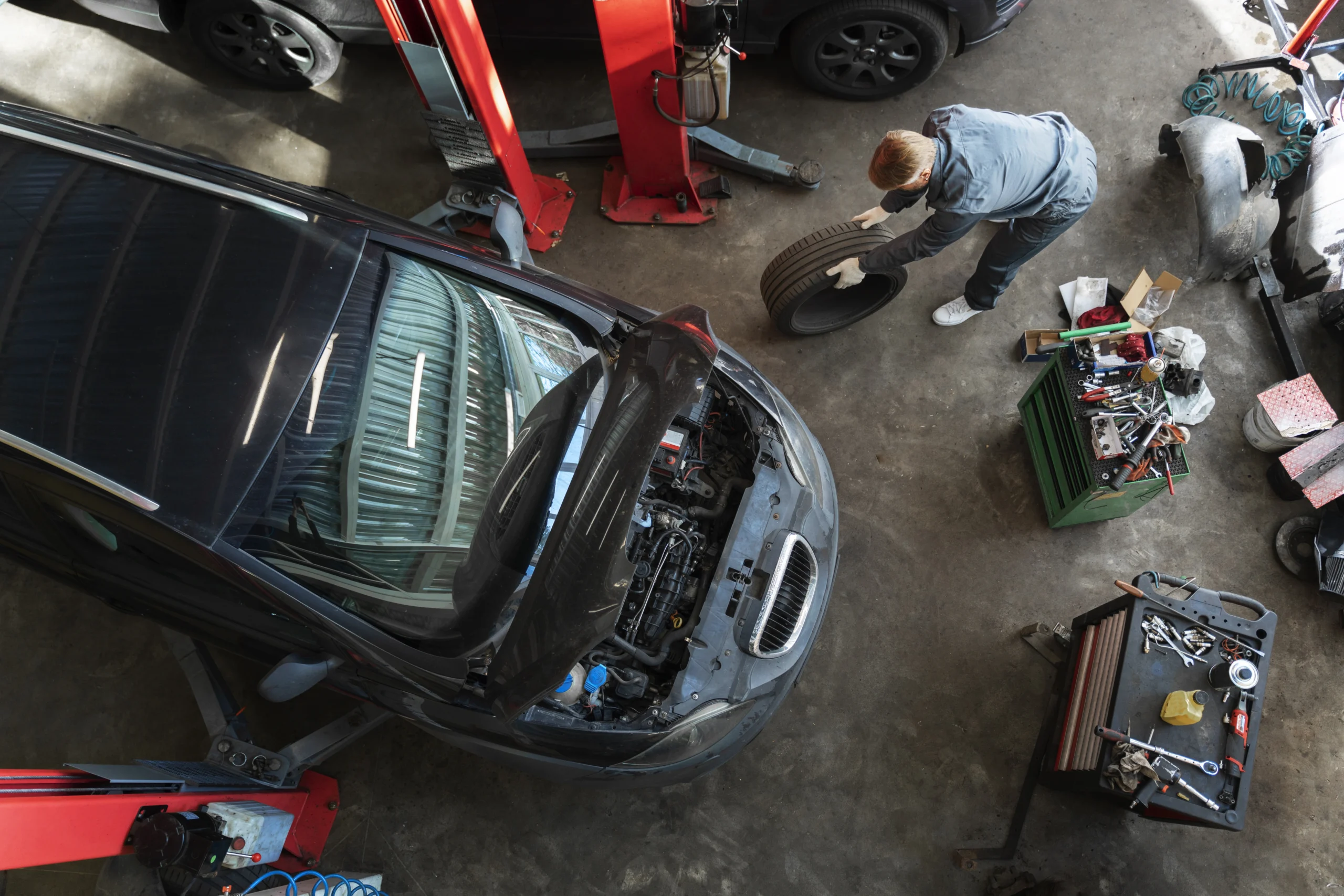
I've seen it in shops across the country. The bays are full, the phone keeps ringing, and the owner is still struggling to make ends meet. A 2023 survey by the Auto Care Association found that while 70% of shop owners reported steady or increased customer traffic, nearly half were concerned about their profitability. That gap between busy and profitable is where shops fail. You hear the phrase all the time: "We're working harder than ever, but the money's not there." I get it. The problem is rarely a lack of customers. It's a leak in the system, and the profit is dripping out before it hits th
You Are Billing Hours, Not Capturing Value
This is the most common and costly mistake. You quote a job based on a flat-rate manual or a standard time. The technician finishes in less time, and you bill the quoted hours. That feels like a win. It is not. You have left money on the table and trained your customer that your expertise has a fixed, low price.
The real value is in the diagnosis, the certainty, and the prevention. A customer comes in with a rough idle. The quick fix is to clean the throttle body and send the bill. The professional service is to explain the root cause, perhaps a failing PCV valve, and recommend the complete repair. That conversation is worth money. When you skip it, you bill for a task, not a solution. The customer drives away with a temporary fix, the problem returns, and they question your competence. "You just fixed it last month" is a sentence born from incomplete service.
Your Parts Profit Is Being Eaten Alive
You are likely losing money on every part you sell if you haven't adjusted your strategy in the last two years. The model of a standard markup over cost is broken. Online retailers have compressed margins to nothing on common parts. If you're buying from a traditional supplier with a standard markup and not shopping your key inventory lines, your effective profit is zero or negative once you factor in overhead, storage, and handling.
I know shops that review their top 100 part numbers quarterly. They negotiate direct with distributors or join buying groups. They understand that the part sale isn't just a line item; it's a core profit center that funds the business. If your parts profit margin isn't explicitly tracked and actively managed, it is managing you. And it's winning.
Operational Drag Is Invisible Until You Measure It
Profit leaks here in a dozen tiny ways. Each one seems insignificant. Together, they sink the ship.
The Comeback Cycle
A job done twice is a job you pay for. Comebacks are not a cost of doing business; they are a failure of process. Every comeback consumes a bay, technician time, and administrative effort. More critically, it destroys customer trust. Tracking your comeback rate is not about blaming technicians. It's about identifying training gaps, tool needs, or procedural flaws. A 5% comeback rate on a busy shop is a full bay of lost revenue every single week.
Uncaptured Diagnostic Time
This is the silent killer. How do you charge for the 45 minutes your master tech spent tracing an intermittent electrical fault before the repair even began? If your answer is "we bundle it into the job," you are giving away your most valuable skill for free. The industry is shifting. Leading shops now charge a standalone, non-refundable diagnostic fee. This pays for the expertise and tools required to find the problem. The repair quote is separate. This practice respects the technician's skill, sets clear customer expectations, and ensures you get paid for thinking, not only turning wrenches. Customers who balk at a diagnostic fee are often the ones who will dispute the final bill anyway.
The Mindset Shift From Technician to Business Owner
This is the hardest part. You are an expert at fixing cars. Now you must become an expert at running a business that fixes cars. They are not the same skill set.
You need to know your numbers. Not vaguely, but specifically. What is your gross profit margin per repair order? What is your effective labour rate after all discounts and warranties? What is your average customer lifetime value? If you cannot answer these questions immediately, you are flying blind. Tools like the Ratchet+Wrench magazine KPIs provide a clear benchmark for high-performing shops.
Invest in your front desk. Your service advisor is your chief profit officer. They translate technical need into customer value. If they are only writing tickets and processing payments, they are an order-taker. Train them to communicate findings, build trust, and present complete solutions. A great advisor will increase your average repair order and customer retention simultaneously.
Finally, price for today, not yesterday. Your costs for rent, utilities, tools, software, and wages have all increased dramatically. Your labour rate must reflect that. I hear the fear: "If I raise my rates, I'll lose customers." The data from automotive business consultants like AutoInc. consistently shows the opposite. Shops that raise rates to sustainable levels attract better customers who value quality and lose only the price-shoppers who were eroding their margins. You are not for everyone. And that is okay.
Profit is not an accident. It is the deliberate result of capturing the full value of your work, managing every cost with precision, and having the courage to run a business, not a charity. Stop being busy. Start being profitable.
Comments (0)
Please login to join the discussion
Be the first to comment on this article!
Share your thoughts and start the discussion