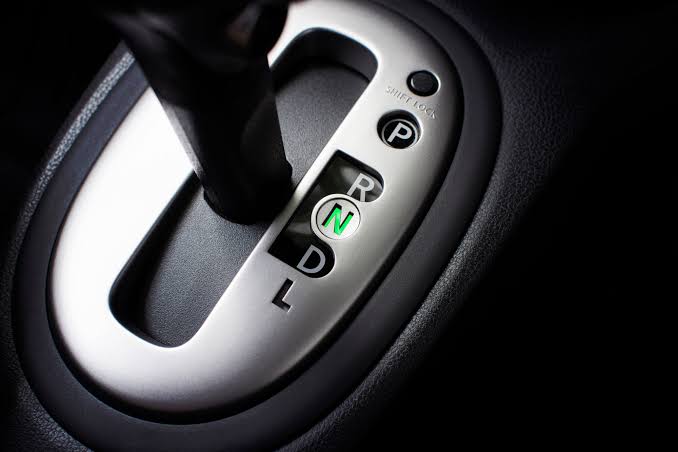
I see it all the time. A driver approaches a red light, shifts into neutral, and coasts the last hundred feet with a satisfied smile. They call it "saving fuel" or "being easier on the brakes." This habit, coasting in neutral, is spreading like a quiet myth. But here is the hard truth from the workshop floor: it does not save meaningful fuel in modern cars, and it actively harms your transmission. A 2021 study by the Society of Automotive Engineers confirmed that modern engine control units cut fuel flow during deceleration in gear, making coasting in neutral a net loss. More critically, it re
The Physics Your Transmission Relies On
Your automatic transmission is a sealed hydraulic system. It does not have a dipstick you can check while driving. It relies on a pump, driven by the engine, to pressurize fluid and send it to cool, lubricate, and actuate all the internal clutches and gears. This is the lifeblood of the unit.
When you shift into neutral while moving, you disconnect the engine from the transmission. The engine drops to idle speed. The transmission's pump, now driven only by the output shaft from the wheels, slows down dramatically as your car coasts. Fluid pressure plummets. Critical components like the torque converter, planetary gear sets, and clutch packs are spinning at road speed, but they are now being lubricated by a mere trickle. It is like revving a dry engine. The friction material on clutch plates can glaze or burn. Metal-on-metal wear accelerates in the gears. Heat builds up fast because the reduced fluid flow cannot carry it away to the cooler. This is not a theory. It is measurable, destructive physics.
Why "Saving Fuel" Is a Modern Illusion
The belief that coasting in neutral saves gas is rooted in carburetor-era thinking. It is obsolete. For decades now, fuel-injected engines have used a strategy called Deceleration Fuel Cut Off (DFCO). When you are in gear and take your foot off the accelerator, the engine control unit sees the wheels driving the engine. It instantly cuts fuel injector pulse to zero. The car is moving, the engine is turning, but it is using no fuel whatsoever. It is being kept alive by the momentum of the vehicle.
Shift into neutral, and that scenario changes completely. The engine is now disconnected from the wheels and must idle to avoid stalling. To maintain that idle speed of around 600 to 800 RPM, the ECU must resume injecting a small but constant amount of fuel. You are now using fuel to keep the engine running instead of using the car's kinetic energy to do it for free. The U.S. Department of Energy notes that modern engine management systems are designed to maximize efficiency in gear, not out of it. That coasting habit is actually costing you pennies every time, while costing your transmission dollars in the long run.
The Direct Damage You Are Causing
Let us move from theory to the repair bay. The damage from habitual neutral coasting is slow, cumulative, and expensive. It does not cause an immediate failure you can blame on a single event. It is a death by a thousand cuts.
Overheating and Fluid Degradation
Transmission fluid is a coolant as much as it is a lubricant. Low pump pressure means less fluid circulating through the transmission cooler, typically located in the radiator. As the fluid overheats, it oxidizes and breaks down much faster. It loses its protective additives and its ability to maintain proper viscosity. Fresh fluid is slick and red. Burned fluid is thin, brown, and smells acrid. This degraded fluid then accelerates wear on every component it touches. It is a vicious cycle. I have pulled drain plugs and seen fluid that looked like used motor oil. The owner always says, "But I never tow anything." The cause was not load. It was chronic under-lubrication from coasting.
Clutch Pack and Band Wear
Inside your automatic transmission are stacks of alternating steel and friction plates called clutch packs. They are bathed in fluid and engage hydraulically to shift gears. When fluid pressure is low, these clutches cannot fully engage or disengage cleanly. They slip. Slipping creates intense friction heat, which cooks the friction material and warps the steel plates. This leads to harsh, delayed, or slipping shifts. The repair? A full transmission teardown to replace all the clutch packs. This is the core of that multi-thousand-dollar rebuild quote.
The Professional Recommendation
Stop it. Simply stop. The safest, most efficient, and most mechanically sound practice is to always leave the car in drive until you are fully stopped. Let the computer manage the fuel cut off. Keep the transmission pump spinning at full pressure, ensuring everything inside is properly cooled and lubricated. Use your brakes for braking. They are consumable parts designed to be replaced. Your transmission is not.
If you want to save fuel, focus on smooth acceleration, anticipating traffic flow to avoid hard braking, and keeping your vehicle properly maintained. Those actions yield real results. Coasting in neutral is a relic that provides no benefit and carries a severe hidden cost. Your transmission is a complex, sealed unit asking for one simple thing: keep it fed with pressurized fluid. Do not starve it based on a myth.
Because the statement "It feels smoother" is not a diagnostic tool. It is often the calm before a very expensive storm.
Comments (0)
Please login to join the discussion
Be the first to comment on this article!
Share your thoughts and start the discussion