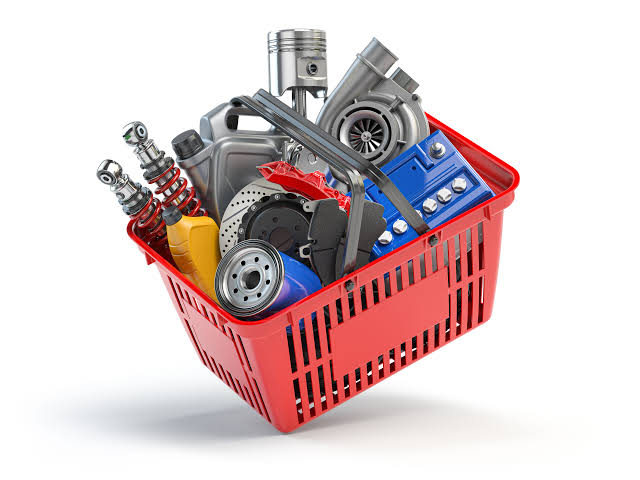
The automotive aftermarket is a $400 billion global industry, and a significant portion of that flows through the counter of your local spare parts shop. While dealerships and online giants get the headlines, it's the independent parts stores that often operate with a surprisingly resilient and profitable business model. Their success isn't about luck. It's built on a few fundamental pillars that turn a simple transaction into a repeat revenue stream.
I've spent years on both sides of that counter, first as a technician and later sourcing parts for a shop. The dynamics at play are clear to anyone in the trade. Customers walk in with an immediate need, often driven by a vehicle that's currently unusable. That urgency, combined with a few key operational realities, creates an environment where profitability isn't just possible. It's almost engineered into the system.
The Power of Recurring Need
Vehicles are not one-time purchases. They are complex machines in a constant state of controlled decay. Parts wear out on a predictable schedule, and unexpected failures are a guarantee, not an exception. This creates a non-stop cycle of demand that is largely immune to economic downturns. When money is tight, people repair their current vehicles instead of buying new ones.
Think about the common phrases I hear daily. "I need to get back on the road today," or "What's the part that usually goes out on this model?" The customer isn't browsing. They are there to solve a specific, pressing problem. This isn't discretionary spending like a new TV. It's essential maintenance to preserve a critical asset. This consistent, need-based traffic provides a stable revenue floor that many other retail businesses would envy.
Furthermore, many repairs lead to another. A customer replacing brake pads often needs new rotors. A new serpentine belt installation might reveal a worn tensioner. This "while you're in there" effect drives average transaction values higher. The shop isn't just selling a part. It's providing a solution, and that solution often includes related components that ensure a reliable, lasting repair.
Strategic Inventory and Margin Management
Walk into a well-run parts store and you'll see a masterclass in inventory turnover. The shelves are stocked with high-demand, fast-moving items: filters, bulbs, brake pads, batteries, and common wear-and-tear items for popular vehicle models in the area. These parts have reliable margins and sell quickly, ensuring capital isn't tied up in slow-moving stock.
The real magic, however, is in the back-end system. For the less common part, the store likely has access to a vast network of distributors and local warehouses. They can often get a specialty component delivered the same day without having to invest their own money in stocking it. This means they can satisfy nearly any customer's need while carrying minimal inventory risk. They make the sale on a part they don't even own until it's ordered. It's a model with incredible efficiency.
Pricing power is another factor. When a customer's daily driver is on a lift with a torn CV axle, they are not typically shopping online and waiting two days for delivery. They need the part now. This immediacy allows for healthy, fair margins that reflect the value of instant availability and expert guidance. As one industry analysis from Aftermarket News often highlights, service and availability are key value drivers that customers are willing to pay for.
The Value of Knowledge as a Product
This is the element that online retailers cannot easily replicate. The person behind the counter is often a seasoned professional. They can diagnose a problem from a customer's vague description, prevent the wrong part from being sold, and offer crucial installation advice. This expertise transforms a commodity transaction into a trusted service.
That knowledge builds fierce customer loyalty. When someone says, "They always get me the right part," or "They saved me from buying the whole assembly when I only needed the sensor," they are describing a relationship. That customer will return, not just for the part, but for the confidence that comes with it. They become a repeat client for life, trusting the store's advice on everything from oil weight to diagnostic steps.
This advisory role also directly drives sales. A clear explanation of why a premium brake pad lasts longer or why a specific coolant is required for their engine builds value and justifies the purchase. It turns a simple parts counter into a consultation hub. According to the Auto Care Association, this professional expertise is a cornerstone of the aftermarket's strength, fostering trust and ensuring proper vehicle repair.
The profitability of a spare parts shop isn't a mystery. It's the direct result of meeting a constant, urgent need with smart inventory, strategic margins, and an irreplaceable layer of human expertise. They profit not from selling things, but from solving problems. And in the world of aging vehicles, problems are the one thing we can always count on.
Comments (0)
Please login to join the discussion
Be the first to comment on this article!
Share your thoughts and start the discussion