In a 2025 study by the Society of Automotive Engineers, researchers found that a single hard stop from highway speeds can generate enough heat in your disc brakes to boil a litre of water. That heat has to go somewhere, and how your brakes manage it is the difference between a controlled stop and a terrifying loss of braking power. I hear drivers say, "Brakes are brakes, they just work." That confidence fades fast when the pedal goes long and soft on a steep mountain descent. The physics inside your brake calipers are not simple, and understanding them is your first line of defense.
The Friction Partnership
Your disc brake system is a partnership under extreme pressure. When you press the pedal, hydraulic force clamps the brake pad against the spinning rotor. The magic happens in the thin layer where they meet. This is not a case of two surfaces grinding to a halt. It is a controlled sacrifice.
The pad material is designed to transfer a microscopic layer of itself onto the rotor surface. This transferred layer, called the transfer film or friction layer, is what creates the majority of your stopping power. The pad then works against this deposited layer, not directly against the bare metal of the rotor. A proper, stable friction layer is the secret to consistent, quiet, and effective braking. When this partnership breaks down, you get noise, vibration, and poor performance.
What Goes Wrong with the Friction Layer
Heat is the primary enemy of this delicate system. Under normal driving, brakes operate between 100°C and 200°C. During aggressive use or towing, temperatures can soar past 500°C. At these extremes, the chemistry changes.
The binding resins in the brake pad can start to gasify, creating a layer of hot gas between the pad and rotor. This is brake fade. You press the pedal, but the force feels weak. The pedal might feel firm, but the car does not slow down proportionally. It is a frightening sensation. As AutoZone explains, this is often a temporary condition caused by overheating, but repeated episodes degrade the pad material permanently.
Another common issue is glazing. If the pads get extremely hot and are then held against the rotor while stationary think stopping at the bottom of a long hill the intense, localized heat can bake the pad material into a hard, glass-like surface. A glazed pad has a shiny, hardened appearance. It loses its ability to create a proper friction layer, leading to reduced stopping power and often a high-pitched squeal. The rotor surface will also appear polished and shiny.
Where the Heat Really Goes
Brakes do not destroy energy; they convert motion energy into thermal energy. That heat must be dissipated, or it builds up, causing the problems we just discussed. The rotor is the heart of heat dissipation. It is a heat sink designed to absorb thermal energy and then release it into the surrounding air.
Rotor Design is Cooling Design
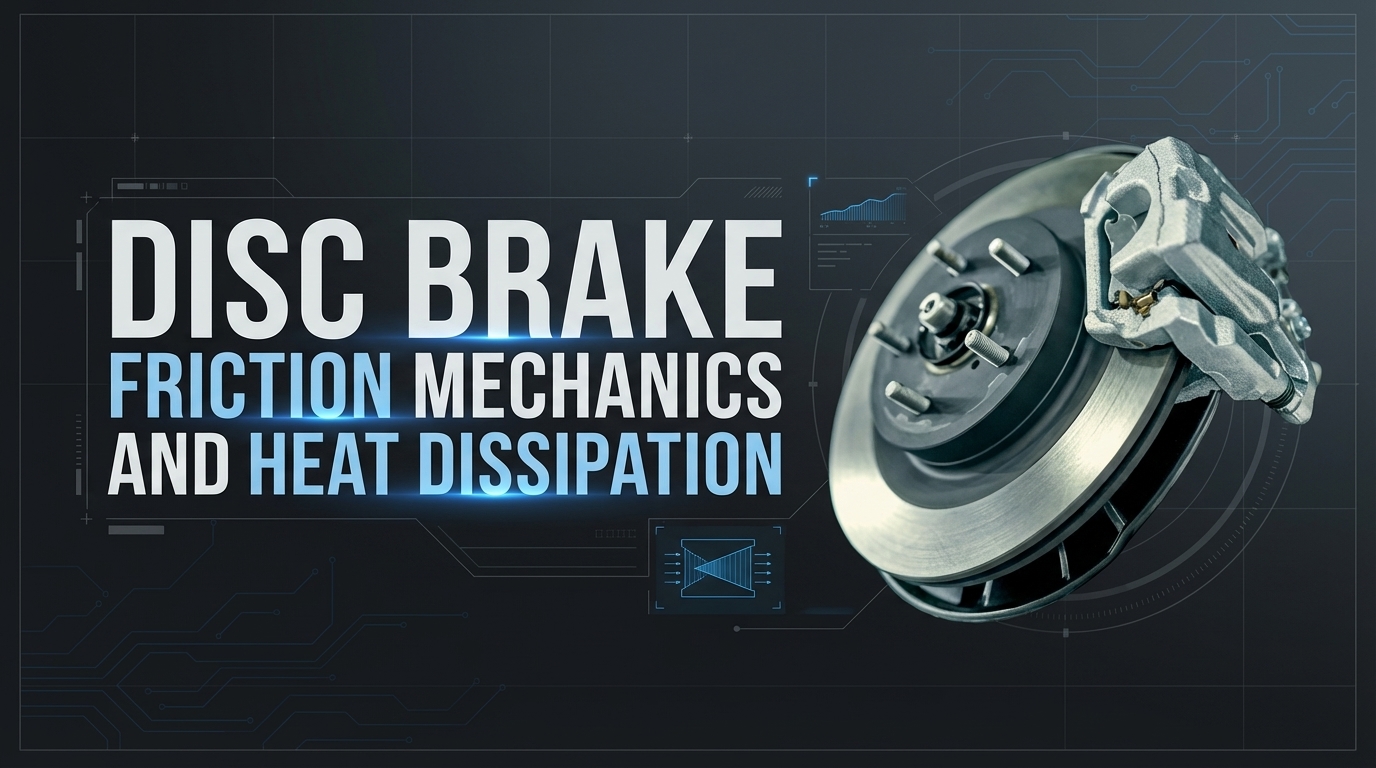
Look at your brake rotors. Solid rotors on basic vehicles are cheap but poor at managing heat. The vast majority of modern cars use ventilated rotors. These have a series of vanes between two braking surfaces that pull cool air in from the center and expel hot air outwards at the perimeter. This centrifugal pumping action is a brilliant piece of passive engineering. Some high-performance and heavy-duty rotors use directional vanes or curved designs to optimize this airflow even further.
The rotor's mass and material are also critical. Cast iron is the standard because it absorbs heat well. However, it is also heavy and can rust. Higher-end vehicles may use composite materials or carbon ceramic rotors that withstand much higher temperatures but at a significant cost. The key takeaway is this: the rotor's entire existence is to get hot and then get cold again, as quickly as possible.
The Supporting Cast for Cooling
The rotor cannot do this job alone. Wheel design plays a surprisingly big role. Wheels with large, open spokes allow far more airflow to reach the brake assembly than wheels with solid, cosmetic covers. This is why race cars have wide-open wheels. Your brake dust is not just dirt; it is the literal cost of stopping, and it needs a clear path to escape.
Another factor is the brake pad formulation itself. Different pad compounds have different maximum operating temperatures. A basic organic pad might be fine for commuting but will overheat and fade quickly during spirited driving. A semi-metallic or ceramic pad formulation is designed to withstand higher temperatures, maintaining the friction layer's integrity when the heat builds up. Choosing the right pad for your driving style is a direct investment in heat management.
Actionable Steps for Better Brake Health
You can actively support this system. First, avoid habits that create excessive heat. Riding the brake pedal down long hills is a prime culprit. Use engine braking by shifting to a lower gear to control speed, which gives your friction brakes a chance to cool. This is vital for vehicle longevity when towing or carrying heavy loads.
Second, after any severe braking, try to keep the vehicle moving. Do not come to a complete stop and then sit with your foot on the brake. The residual heat has no way to dissipate and will soak into the caliper and pads, potentially causing fluid boil or pad glazing. If you must stop, release the brake pedal as soon as you are stationary to allow air to circulate.
Finally, listen to your brakes and inspect them regularly. A sudden increase in stopping distance, a pungent burning smell, or a blueish discoloration on the rotor are all signs of severe overheating. A vibrating steering wheel or brake pedal under light braking often indicates a warped rotor, frequently caused by uneven cooling from a stuck caliper or improper torque on the lug nuts. As CarParts.com notes, warped rotors are less common today with improved materials, but disc thickness variation from uneven wear is a frequent cause of the same vibration symptom.
Your brakes are a thermal management system that happens to stop your car. Treat them with that respect. The next time you feel that confident "I've got great brakes" thought, remember the litre of water boiling away inside each wheel. That visual will remind you to drive with the system's limits in mind, preserving the partnership between pad and rotor that keeps you safely in control.
Comments (0)
Please login to join the discussion
Be the first to comment on this article!
Share your thoughts and start the discussion