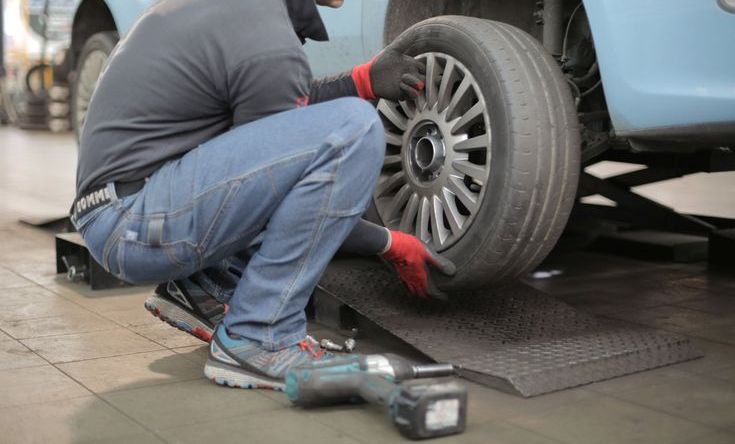
According to the National Highway Traffic Safety Administration (NHTSA), tire-related issues are a factor in approximately 11,000 crashes each year. That statistic is sobering, but it’s the nature of the failure that’s most concerning. A sudden tire blowout at highway speeds is a violent, often uncontrollable event. The real danger, however, is that the conditions leading to it can develop silently over months. You won’t hear a warning chime. Your check engine light won’t flash. The damage happens out of sight, often until it’s too late.
I’ve seen the aftermath in the shop too many times. A driver brings in a vehicle with a shredded tire and a story that starts with, “It looked fine last week.” The truth is, it probably didn’t. The signs were there, but they’re easy to miss if you don’t know what to look for. We get complacent. We think, “The tread isn’t bald yet,” or “I’ll get it sorted before my next long trip.” That’s the gamble. Tires are the single point of contact between your two-ton vehicle and the road. Their condition isn’t a suggestion; it’s a non-negotiable part of safety.
Experts are now highlighting a specific, often overlooked threat that degrades tires from the inside out. It’s not about tread depth alone. This silent killer works slowly, weakening the tire’s structure long before the outer rubber shows significant wear. Catching it requires a specific check that goes beyond a quick glance.
The Silent Killer Is Not What You Think
Most drivers focus on tread wear. It’s visible, and we all know the penny test. The real danger I’m talking about is improper inflation, specifically chronic underinflation. The Rubber Manufacturers Association states that underinflated tires are the leading cause of tire failure. When a tire is low on air, its sidewalls flex excessively as it rolls. This generates intense internal heat, breaking down the rubber compounds and the internal steel or fabric cords that give the tire its strength.
This heat damage is cumulative and irreversible. A tire can look perfectly normal on the outside, even with decent tread, while its internal structure is compromised and ready to fail. You might notice the car feeling a little sluggish or the steering getting heavier, and dismiss it as “probably the road surface.” That extra rolling resistance is the symptom of the problem. Continuing to drive on an underinflated tire, especially at higher speeds or in hot weather, is like repeatedly bending a paperclip. It will eventually snap.
Related Reading: Drivers Urged To Check Their Car Mirrors After Hidden Safety Feature Was Finally Explained
How To Perform The Critical Five-Minute Check
Forget guessing. You need a good, digital tire pressure gauge. The one built into most service station air hoses is notoriously inaccurate. Check your tires when they are cold, meaning before you’ve driven more than a couple of kilometres. Find the correct pressure for your vehicle on the placard inside the driver’s door jamb, not on the tire sidewall. That’s the pressure the vehicle’s engineers specified for optimal safety, handling, and wear.
Check all four tires, plus your spare if you have one. Don’t assume they’re equal. A tire that is consistently lower than the others could have a slow leak. After filling to the correct pressure, monitor it over the next few days. If it drops significantly, you have a leak that needs professional attention. Saying “It’s probably the valve stem” is a guess. A technician can submerge the tire to find the exact leak source, be it the valve, a nail in the tread, or a damaged rim seal.
Look Beyond Pressure The Visual Inspection
While you’re down there with your gauge, do a full walk-around. Look for cracks or cuts in the sidewall. These can be signs of aging or impact damage. Check for uneven wear patterns across the tread. Wear on the inside or outside edges often signals an alignment issue, while cupping or scalloping can point to worn suspension components. These problems won’t fix themselves and will rapidly destroy a new tire.
Don’t forget to check the tire’s age. Look for the DOT code on the sidewall. The last four digits indicate the week and year of manufacture. Most tire manufacturers recommend replacing tires every six to ten years, regardless of tread depth, because the rubber compounds degrade over time. An old tire with plenty of tread can be just as dangerous as a bald one.
Smart Link: Traction Control Light Indications, Causes, and Driver Response (Interactive Diagram)
Your Action Plan Starts Now
Make this a monthly habit. The first Saturday of the month, check your tires. It takes five minutes. The cost of neglect is a roadside emergency at best, and a loss of vehicle control at worst. If you find a tire consistently low, get it repaired properly. If you see abnormal wear, have your alignment and suspension checked. These are investments in your safety.
Your tires are talking to you every time you drive. A slight vibration, a change in handling, a feeling of drag. Listen to those cues. Trust the gauge over a glance. Because the thought “They should be fine” has preceded more tow truck calls than any mechanic can count. Be proactive. That silent killer only wins if you ignore it.
Comments (0)
Please login to join the discussion
Be the first to comment on this article!
Share your thoughts and start the discussion