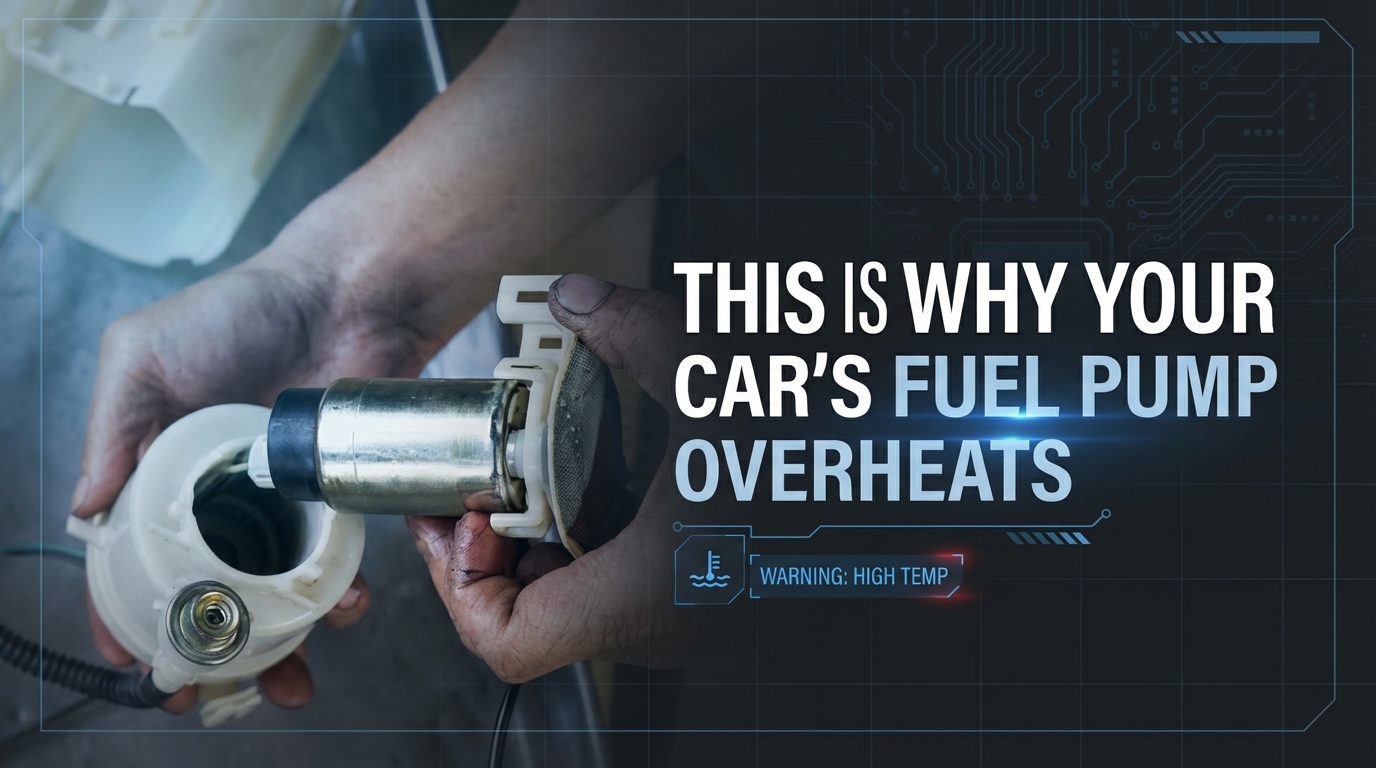
A fuel pump is designed to run hot, but when it overheats, it fails. And it fails fast. I have seen more than one driver stranded with a perfectly good tank of fuel because the pump inside it cooked itself. The most common phrase I hear after the tow truck arrives? "It was working fine until it wasn't." That is the nature of thermal failure. It gives you little warning before a complete shutdown. Understanding why it happens is your first line of defense.
Your fuel pump lives a hard life. It is submerged in gasoline, which should keep it cool. Yet, it contains an electric motor that generates significant heat during operation. According to industry data from AutoZone, a fuel pump's internal temperature can exceed 200°F during normal operation. The fuel flowing through it is its only coolant. When that cooling flow stops or slows, heat builds up rapidly. This is not a gradual wear item. It is a thermal event. Let's break down the specific, actionable reasons this happens.
Read Also: Understanding Car Fuel Pumps: Functions, Types, and Maintenance
The Primary Culprit: Running on Low Fuel
This is the number one cause of preventable fuel pump overheating I see in the shop. The myth that "there's always a gallon left" is a pump killer. The pump is mounted in the tank. Fuel submerges it and acts as a heat sink. When the fuel level drops, the pump motor becomes exposed. It starts to run in air, not liquid. Air is a terrible coolant. The motor's temperature spikes, the internal components expand, and the pump seizes or its windings burn out. People say, "I've done it before and it was fine." That is luck, not strategy. Each time you run the tank low, you are thermally stressing the pump. Consistently driving with less than a quarter tank dramatically shortens its life.
How a Clogged Fuel Filter Creates a Furnace
Think of your fuel system as a closed loop. The pump pushes fuel through the filter to the engine. A clean filter allows free flow. A clogged filter acts like a kink in a garden hose. The pump has to work much harder to push fuel against that restriction. This increased workload makes the pump motor draw more electrical current. More current means more heat generation. Now you have a pump working harder and getting hotter, with less fuel flowing through it to carry that heat away. It is a perfect storm for thermal failure. The symptom is often a gradual loss of power at high speed, which drivers describe as, "It feels like it's running out of breath." That is the pump struggling. This is how a failing fuel pump often causes sudden power loss at highway speeds.
When Bad Fuel or Tank Debris is the Problem
Contaminants in your fuel tank do more than clog the filter. They can also jam the pump's internal components or its inlet strainer. Rust, sediment, or debris from old fuel can restrict flow at the source. A pump trying to pull fuel through a clogged strainer is like trying to breathe through a cloth. It strains. It overheats. Furthermore, old fuel can harm your engine by degrading and forming varnish that coats everything, including the pump. This varnish acts as an insulator, trapping heat inside the pump motor. If you hear a loud whine from the fuel tank area, that is often the sound of a dry or restricted pump crying for help.
Pro Tip: Is Your Fuel Pump Failing? 8 Critical Signs to Watch For
Electrical Issues That Cook the Pump from the Inside
Your fuel pump relies on a specific voltage to run efficiently. If the wiring to the pump is corroded, has a poor connection, or the vehicle's voltage regulator is failing, the pump can be fed a low voltage. This is deadly. A pump motor receiving low voltage will draw excessive amperage to try to maintain its speed. Excessive amperage creates excessive heat, right inside the motor windings. Conversely, a failing relay or a wiring short can sometimes cause the pump to run continuously, even with the key off, leading to a slow burn-out. Always check the power and ground at the pump connector with a multimeter during diagnosis. Do not guess.
The Vicious Cycle of a Failing Pump
Often, the initial stages of pump wear create the conditions for its own demise. As the pump's internal brushes and commutator wear, efficiency drops. It requires more electrical work to move the same amount of fuel. This extra work generates more heat. The heat accelerates the wear on the motor's components. This creates a feedback loop of increasing heat and decreasing performance until the pump finally quits. This is why a pump can seem to work okay for a while after showing early symptoms like intermittent starting or hesitation. It is dying slowly, and the heat is finishing the job.
What You Can Do to Prevent It
Prevention is straightforward and based on the causes above. First, make a habit of refueling when your gauge hits the quarter-tank mark. This keeps the pump submerged and cool. Second, replace your fuel filter at the manufacturer's recommended interval. It is a cheap part that protects an expensive pump. Third, if you suspect contamination or have run old fuel, consider a professional tank cleaning. Fourth, listen to your car. A new, loud whine from the fuel tank, hesitation under acceleration, or sudden highway stalls are critical warnings. Address them immediately.
When replacing a failed pump, never install a new one into a dirty tank. Clean the tank or replace it if it is rusty. Install a new fuel filter. And always ensure the pump assembly's seal is perfect to prevent future contamination. A proper fuel pump replacement guide will tell you what else to replace to ensure longevity.
Deep Dive: Mastering Fuel System Troubleshooting: Tips, Solutions, and FAQs
Final Word
A fuel pump does not overheat on a whim. It is a reaction to a specific set of conditions, all of which are within your control. Low fuel, a clogged filter, and electrical problems are the main triggers. Ignoring the early signs is what turns a simple maintenance item into a roadside emergency. Your fuel pump's best friend is a consistent, clean supply of gasoline. Give it that, and it will rarely let you down.
Because in the end, the phrase "it just died" is almost never accurate. It was telling you. The trick is to know what to listen for.
Comments (0)
Please login to join the discussion
Be the first to comment on this article!
Share your thoughts and start the discussion