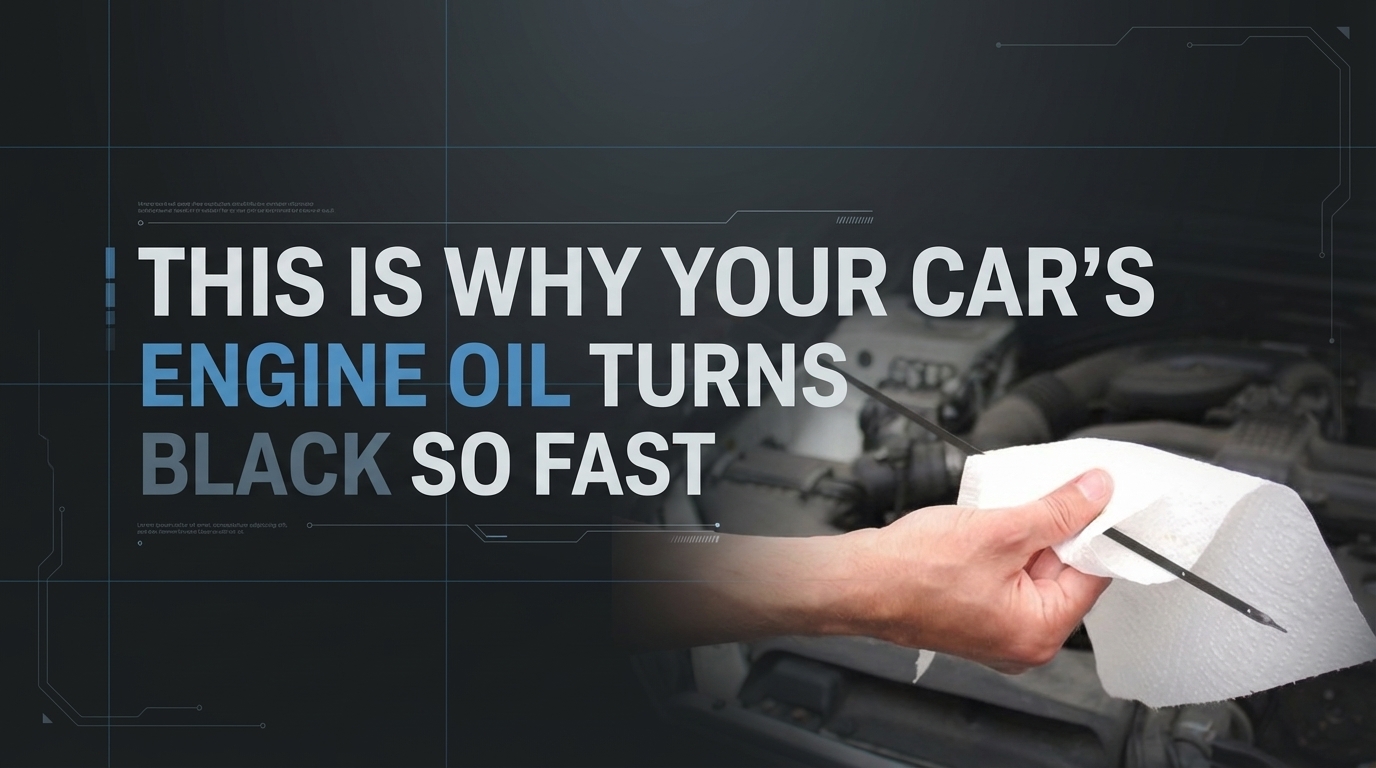
I hear it all the time. "I just changed the oil a month ago, and it's already black as night. Something must be wrong with my engine." That statement is often followed by a worried look and a hefty repair estimate. But here's the truth that can save you thousands: fresh engine oil turning dark is not a failure. It's the oil doing its primary job. The real concern isn't the color itself, but the speed and conditions under which it changes. Understanding this difference separates informed owners from those who pay for unnecessary engine work.
Think of your engine oil as a high-performance cleaning fluid. Its base lubricating properties are vital, but a huge part of its role is to suspend and carry away combustion byproducts, microscopic metal particles, and carbon deposits. These contaminants are what turn the oil dark. According to industry data from lubrication experts, a properly functioning engine can turn fresh, amber oil to a dark brown or black hue within 500 miles. That's normal. The oil is holding the dirt you don't want grinding between your bearings and cylinder walls. The real question is: why is it happening so fast for you?
The Engine's Natural Cleaning Cycle
Your engine is a continuous chemical reactor. Every combustion cycle produces soot, acids, and unburned fuel residues. A modern engine, especially a direct-injection gasoline or diesel unit, is incredibly efficient at making power but also produces more of these fine particulates. The Positive Crankcase Ventilation (PCV) system routes blow-by gases, which are laden with these contaminants, back into the intake to be burned. But the oil in the crankcase is the first line of defense, capturing what the PCV system can't handle. This is a constant process. If your oil isn't darkening, it might mean the detergents are spent and the sludge is settling inside your engine instead, which is a far worse scenario. This silent threat is a major cause of premature wear.
Related Reading: Engine Oil Sludge: The Silent Threat to Your Vehicle's Performance
When Fast Blackening Signals a Problem
Normal cleaning is one thing. Accelerated darkening points to an imbalance in the engine's internal environment. This is where the phrase "I know my vehicle" gets people into trouble. They see the dark oil and assume the worst, or they ignore it entirely. You need to look for the context clues.
Excessive Soot Production
This is the chief culprit for rapid oil blackening. If your engine is running richer than intended with too much fuel for the amount of air it produces excessive soot. Common causes include a dirty or failing Mass Airflow Sensor (MAF), clogged air filters, faulty oxygen sensors, or leaking fuel injectors. Short-trip driving, where the engine never fully reaches operating temperature, also leads to fuel dilution and soot buildup because combustion is never optimal. The oil gets overwhelmed quickly.
Coolant Contamination (A Critical Warning)
This is a serious issue. If your oil turns a milky brown or has a frothy, chocolate-milk consistency on the dipstick, coolant is mixing with your oil. This is often due to a failing head gasket, a cracked cylinder head, or a leaking intake manifold gasket. The dark color mixes with the coolant to create this distinct shade. Driving with this condition will destroy engine bearings in short order. If you see this, stop driving and get it diagnosed immediately.
Essential Guide: Troubleshooting Coolant Mixing with Oil in Your Engine: Causes, Consequences, and Solutions
Old or Incorrect Oil
Using oil past its service interval means the additive package the detergents, dispersants, and anti-wear compounds is depleted. It can't hold contaminants in suspension as effectively, leading to sludge and varnish, but it will also appear very dark. Similarly, using the wrong viscosity or a low-quality oil that breaks down under high temperatures won't perform its cleaning duty properly. It will oxidize and turn dark rapidly while offering poor protection.
The Actionable Diagnosis: What To Do Right Now
Don't panic at the color. Investigate the pattern. Here is your professional-grade checklist.
First, assess your driving habits. Are most of your trips under 15 minutes? Does the engine rarely get fully hot? If yes, your oil will darken faster. Consider shorter change intervals using a high-quality synthetic oil designed for stop-and-go service.
Second, perform a simple smell and texture test. Wipe the dipstick on a white paper towel. Does the oil smell strongly of gasoline? That indicates fuel dilution, often from those short trips. Is the texture gritty? That points to excessive wear or external dirt ingress.
Third, rule out the serious issues. Check your coolant level regularly. Look for unexplained coolant loss. Monitor for white exhaust smoke or overheating. These, combined with rapidly darkening oil, are red flags for a head gasket issue.
Fourth, address the common fixes. Replace your air filter. Have a technician clean your MAF sensor and throttle body. Use a quality oil and filter that meets your manufacturer's specification. A clogged or low-quality filter can't remove contaminants, letting them continuously cycle and darken the oil.
Pro Tip: This One Oil Filter Mistake Could Be Silently Destroying Your Engine Over Time
Final Word
Dark oil is a sign of a working cleaning system. Oil that turns black rapidly is a conversation starter, not a death sentence. It's your engine's way of presenting data. Your job is to interpret it correctly. Look beyond the color. Check the context of your driving, monitor for other symptoms, and maintain the supporting systems like air intake and PCV. Change your oil at the proper intervals with the correct product. That's the professional approach. It turns a worrying observation into a simple part of routine maintenance.
Because in the workshop, we don't fear dark oil. We fear the problems that don't show up in it until it's too late.
Comments (0)
Please login to join the discussion
Be the first to comment on this article!
Share your thoughts and start the discussion