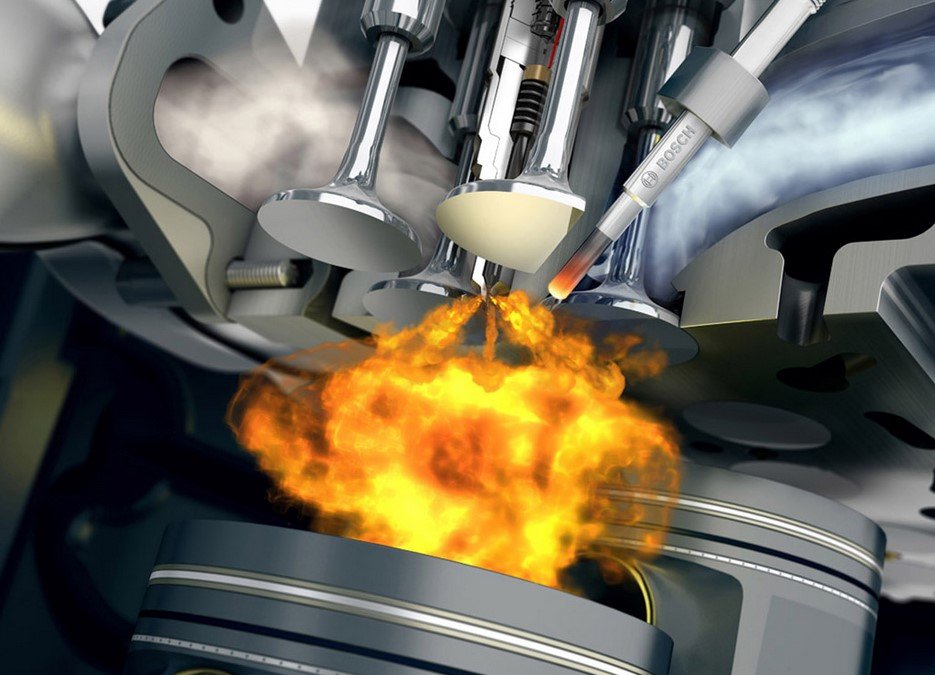
Engine knock, also called detonation or pinging, happens when fuel ignites in the cylinder at the wrong time. In normal operation, the spark plug lights the air fuel mixture at a precise moment, and the flame front burns evenly across the cylinder. Knock occurs when a pocket of fuel ignites spontaneously from heat and pressure before the flame front reaches it. That second explosion creates a shock wave that collides with the piston, cylinder wall, and the primary flame front. The result is that sharp metallic sound.
Your engine makes a noise you have never heard before. A metallic tapping or knocking sound that seems to come from deep inside the block. It gets louder when you accelerate. You tell yourself, "It probably needs an oil change." That is wishful thinking. Engine knock is not a quirk. It is a mechanical warning that, if ignored, can turn a running engine into a paperweight in a surprisingly short amount of time. According to the Society of Automotive Engineers, abnormal combustion events like knock can increase cylinder pressure by more than 300 percent above normal levels. That sudden spike bends connecting rods, cracks ring lands, and erodes piston crowns. The noise you hear is not a loose part rattling. It is the sound of pressure waves slamming into cylinder walls at supersonic speed. Understanding what causes it and what it does to your engine is the difference between a minor repair and a full replacement.
What Actually Causes Engine Knock
The most common causes are straightforward. Low octane fuel is a big one. Octane rating measures a fuel's resistance to spontaneous ignition. When you use fuel with an octane rating lower than what your engine requires, the mixture can ignite under compression before the spark plug fires. That is why your owner's manual specifies a minimum octane. Carbon buildup inside the cylinder is another frequent cause. Deposits on the piston crown or cylinder head create hot spots that can ignite fuel early. A faulty knock sensor can also contribute. The knock sensor detects vibration and tells the ECU to retard timing. If that sensor fails, the computer never receives the signal to adjust. Combined with high intake air temperatures or a lean fuel mixture, the conditions for knock multiply quickly.
Essential Guide: Understanding Engine Knocking: Causes, Signs, Prevention, Troubleshooting, and Repair
How Knock Affects Performance and Longevity
Knock does not merely make an unpleasant sound. It directly robs your engine of power. When the ECU detects knock, it pulls ignition timing to protect the engine. That is a safe move, but it reduces power output and fuel efficiency. You feel it as a flat spot during acceleration or a general lack of response when you press the pedal. The engine is running, but it is not running well.
The mechanical damage is more serious. Repeated knock erodes the piston rings, which are responsible for sealing the combustion chamber. When those rings wear, oil consumption rises and compression drops. A leaking head gasket can also result from the excessive pressure. In severe cases, the shock wave can crack the piston itself. I have seen engines where a single episode of heavy knock broke a ring land, sending metal fragments through the oil system and destroying the bearings. That repair bill ran well over four thousand dollars.
Modern engines are more susceptible than older ones. Higher compression ratios, turbocharging, and direct injection all create conditions that promote knock. The engine oil turning black fast is a separate issue, but it hints at the kind of heat and stress these engines endure. The margin between normal operation and damaging knock is thinner than many drivers realize.
What You Can Do About It
Start with the fuel. If your car specifies premium fuel, do not use regular to save a few dollars. The savings disappear when you factor in reduced fuel economy and the risk of engine damage. Use a fuel with the correct octane rating from a reputable station.
Pay attention to the knock sensor. If the check engine light comes on and a scan reveals a knock sensor code, do not clear it and assume the problem went away. The sensor is your engine's early warning system. A faulty knock sensor can mask serious problems until it is too late. Replace it if it fails.
Carbon buildup is harder to address. For direct injection engines, a professional intake valve cleaning every 40,000 to 60,000 miles can prevent the hot spots that trigger knock. Some drivers use fuel system cleaners, and they can help with injector deposits, but they do little to remove carbon from the intake valves in direct injection engines. That requires physical cleaning.
If you hear knock regularly, do not drive it hard. Ease off the throttle. The ECU will pull timing, but it can only do so much. Continued heavy throttle application under knock conditions is how pistons break. I have heard drivers say, "It only does it when I accelerate hard." That is exactly when the damage happens.
Deep Dive: Ways to Avoid Knocking in an SI Engine When the Compression Ratio is Increased
When to See a Professional
Some causes of knock require a technician. A failing exhaust gas recirculation system can raise combustion temperatures and cause knock. A malfunctioning cooling system that allows the engine to run hotter than normal also promotes pre ignition. If you have ruled out fuel quality and the knock persists, a professional diagnostic is necessary. The technician will check fuel trims, coolant temperature, intake air temperature, and ignition timing. They will also inspect for carbon buildup using a borescope. That inspection is quick and reveals the condition inside the cylinder.
Ignoring the noise never makes it go away. It only gets worse. The cost of a proper diagnosis is small compared to the price of a new engine. And if you catch it early, a carbon cleaning service or a fuel system adjustment can restore normal operation without a major repair. Knock is your engine telling you something is wrong. Listen to it.

Comments (0)
Please login to join the discussion
Be the first to comment on this article!
Share your thoughts and start the discussion