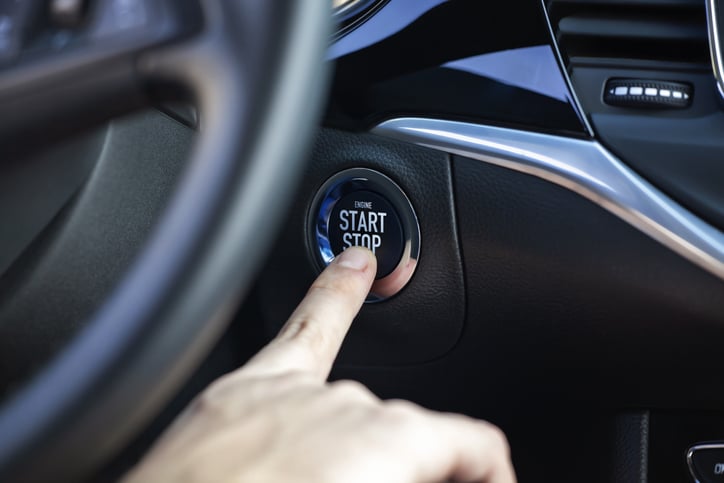
Up to 75% of engine wear happens during startup. Think about that statistic for a second. Three-quarters of the damage your engine will ever experience occurs in those first few moments after you turn the key.
I've worked on thousands of engines throughout my career, and I can tell you this truth: most drivers have no idea they're slowly killing their engines every single day. They climb into their cars, fire up the ignition, and immediately pull out of the driveway. "It's warming up while I drive," they'll say confidently.
Wrong.
The behavior mechanics see repeatedly in their shops? Driving a cold engine hard before it reaches proper operating temperature. This single habit causes more premature engine failures than most people realize, yet it remains one of the most widespread mistakes motorists make.
The Cold Start Reality Nobody Wants To Hear
When your engine sits overnight, oil drains back into the oil pan. The moment you start your vehicle, metal components begin moving against each other with minimal lubrication. Modern engines are engineered to handle this, but they're designed with the assumption that you'll give them time to circulate oil properly before demanding full performance.
Research from automotive engineering studies shows that one cold start at around negative five degrees Celsius causes wear equivalent to driving 99.2 kilometers, or approximately 62 miles. That's not a typo. A single cold start in freezing weather creates as much engine wear as an hour of highway driving at normal operating temperature.
The science behind this is straightforward. Cold oil is thick oil. It flows slowly through narrow passages and takes time to reach critical components like valve trains, camshafts, and cylinder walls. During those first seconds and minutes, your engine operates under what engineers call "boundary lubrication" conditions, where metal-to-metal contact causes accelerated wear.
What Actually Happens When You Rev A Cold Engine
I hear this excuse constantly: "I need to get the engine up to temperature faster." Drivers will rev their cold engines, thinking they're helping the warm-up process. They're actually doing the opposite.
Experts confirm that revving a cold engine causes added wear and tear. The proper approach is letting your car idle for one to two minutes, then driving gently until the temperature gauge moves off the cold reading.
Here's why aggressive cold starts are particularly destructive. Your engine's pistons, rings, and cylinder walls expand at different rates as they heat up. When cold, clearances between these components are not optimal. Forcing the engine to high RPMs before thermal expansion occurs creates excessive friction and can even cause temporary metal-to-metal scoring.
Consumer Reports recommends starting your vehicle and allowing it to idle for 30 seconds to one minute before driving gently. This gives oil pressure time to build and reach all critical components. The key word here is "gently." For the first five to ten minutes of driving, keep your RPMs moderate and avoid hard acceleration.
The Short Trip Problem Mechanics See Constantly
Another related behavior that destroys engines? Frequent short trips where the engine never reaches full operating temperature. This pattern creates a perfect storm of problems that most drivers never consider.
The most serious issue is oil contamination and sludge formation. When an engine runs cold, fuel doesn't combust completely. Unburned fuel and moisture accumulate in the crankcase, mixing with your oil and creating a caustic mixture that accelerates wear.
Through normal combustion, engines produce water vapor as a byproduct. When your engine reaches proper operating temperature (typically around 200 degrees Fahrenheit), this moisture evaporates and exits through the PCV system. When you only drive short distances, the engine never gets hot enough to burn off this contamination. Water mixes with oil, creating sludge that clogs passages and starves components of lubrication.
According to LIQUI MOLY, short-distance driving causes oil to become contaminated more quickly than normal use. The result? Increased sludge, varnish, and deposit formation that can block narrow oil passages, reduce cooling effectiveness, and ultimately lead to catastrophic engine failure.
I've torn down engines that looked like they'd been through 200,000 miles of abuse when they only had 75,000 miles on the odometer. The common factor? Years of short-trip driving without proper maintenance adjustments.
The Real Cost Of This Behavior
Engine replacement currently costs between $6,287 and $12,878 on average, depending on your vehicle and location. That's the price you pay when accumulated wear finally causes catastrophic failure.
Car repair costs jumped 15% year-over-year in 2025, the largest single increase ever recorded. Major engine repairs aren't getting cheaper. Prevention through proper driving habits costs nothing.
The mechanical reality is this: engines are designed to last. Modern powertrains can easily exceed 200,000 miles when properly maintained and operated. When they fail prematurely, it's almost always because of how they were driven and maintained, not inherent mechanical defects.
How To Protect Your Engine Starting Today
The solution isn't complicated, but it requires discipline and a shift in habits. Most mechanics recommend a 30 to 60 second warm-up period in freezing weather, then gentle driving until the engine reaches operating temperature.
During those first five to ten minutes of driving:
Keep your RPMs below 3,000. Avoid hard acceleration. Don't use full throttle. Let the transmission shift naturally without forcing it. These simple restrictions allow your engine to warm up gradually under light load, which is significantly healthier than extended idling or aggressive driving.
For drivers who primarily make short trips, you need to adjust your maintenance schedule accordingly. Most manufacturers base their oil change intervals on a mix of highway and city driving. If your typical trip is under ten minutes, you fall into the "severe service" category, even if you think you drive normally.
Mechanics recommend changing your oil every six months at minimum if you primarily make short trips, regardless of mileage. The contamination from incomplete combustion and moisture accumulation degrades your oil faster than miles alone would indicate.
Once weekly, try to take a longer drive of at least 20 to 30 minutes at highway speeds. This allows your engine to reach and maintain full operating temperature, burning off accumulated moisture and contaminants. Think of it as preventative therapy for your powerplant.
Stop Making Excuses And Start Protecting Your Investment
Your vehicle represents a substantial financial investment. Modern cars cost more than ever, and keeping them running properly protects both your safety and your wallet.
Every time you start your engine and immediately drive aggressively, you're gambling with thousands of dollars in future repair costs. Every week you spend making nothing but short trips without ever letting your engine fully warm up, you're accelerating the formation of sludge that will eventually choke your engine's lubrication system.
I understand the temptation to dismiss these warnings. Your car seems fine. It starts every morning. It hasn't left you stranded. "My engine can handle it," you might think.
That's exactly what hundreds of my customers thought before they found themselves facing four-figure repair bills for engines that failed prematurely. The wear is cumulative and invisible until the damage becomes catastrophic.
The difference between an engine that lasts 150,000 miles and one that makes it to 250,000 miles often comes down to these daily habits. Those first few minutes after starting your engine matter more than most people realize.
Start treating cold starts with the respect they deserve. Give your engine time to circulate oil before demanding performance. Drive gently until everything reaches proper operating temperature. Adjust your maintenance schedule to account for your actual driving patterns.
Your engine will thank you with years of reliable service.
Comments (0)
Please login to join the discussion
Be the first to comment on this article!
Share your thoughts and start the discussion