Most new EV owners spend the first six months convinced they're doing something wrong.
I've spoken with hundreds of drivers who've crossed the 100,000-mile mark in their electric vehicles, and one truth surfaces every time: the fears you have before buying rarely match the realities you face once you're living with the car daily. One driver I interviewed recently summed it up perfectly when he said he spent weeks obsessing over public charging networks before realizing he'd only need them a handful of times each month. His biggest regret wasn't about the vehicle itself but about all the advice he ignored early on because it sounded overly cautious.
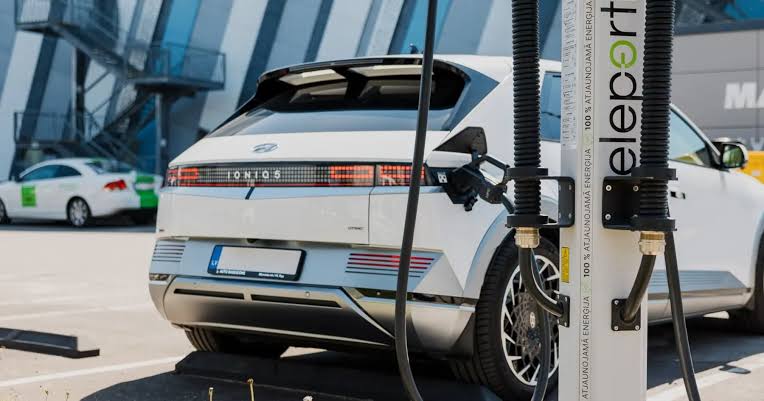
Charging etiquette becomes second nature quickly, but those first encounters at public stations can feel awkward. He learned to avoid occupying a fast charger longer than necessary, especially once the charging speed drops below 60 kilowatts. That typically happens around 80 percent, which is why most experienced owners stop there unless they absolutely need more range for a longer trip. At home, he wishes he'd installed a Level 2 charger sooner instead of relying on a standard outlet for the first year. The difference in convenience is staggering, and the installation cost pays for itself in time saved and stress avoided. He charges to 80 percent nightly and lets the battery dip to around 20 percent before plugging in again, a rhythm that preserves battery health without overthinking it.
Range fade is real but not catastrophic. After five years and 100,000 miles, his battery retained roughly 88 percent of its original capacity, a figure that aligns with most manufacturer projections. Cold weather still catches people off guard even after years of ownership. He told me he used to think preheating the cabin while plugged in was unnecessary until one Vermont winter taught him otherwise. That single habit recovered nearly 15 percent of his winter range. He also avoids charging to 100 percent in freezing temperatures unless he's leaving immediately, as a full battery sitting idle in the cold degrades faster than one maintained at moderate levels.
Fast charging frequency matters more than most people realize. He aims for no more than two or three fast-charge sessions per week, relying on home charging whenever possible. Certain older fast chargers, particularly those without active cooling or those that communicate poorly with the vehicle's battery management system, can cause unnecessary stress on the cells. He now checks charger reviews before road trips, something he never considered during his first year. The learning curve is shorter than the internet suggests, but the mistakes you make early on can linger in ways that affect long-term battery performance. His advice is simple: trust the manual more than forums, charge smarter rather than more often, and remember that range anxiety fades faster than battery capacity ever will.
Comments (0)
Please login to join the discussion
Be the first to comment on this article!
Share your thoughts and start the discussion