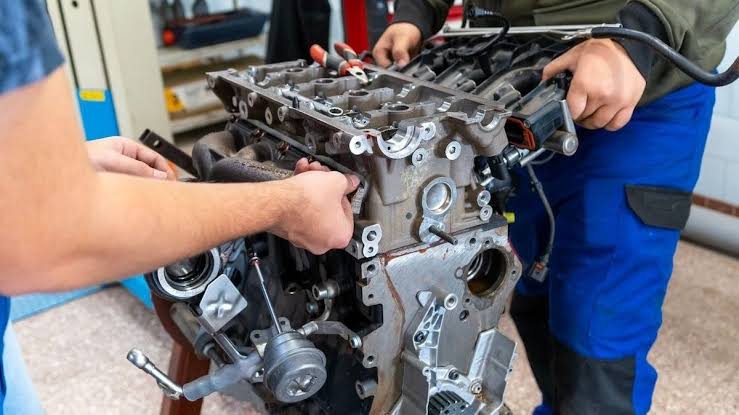
Automotive technicians report that engines can fail catastrophically within 15 to 30 minutes of running without adequate oil, yet millions of drivers routinely make a seemingly minor decision that gradually leads to exactly that outcome.
The mistake isn't dramatic or obvious. It's the repeated decision to delay checking oil levels between scheduled changes, often accompanied by the thought, "The light isn't on, so I'm probably fine." That assumption has destroyed more engines than most people realize, and the financial consequences are staggering.
Modern engines consume oil during normal operation, particularly as mileage accumulates. Turbocharged engines and performance vehicles can burn through a quart every 1,000 miles under certain driving conditions, which manufacturers often classify as acceptable consumption. The problem emerges when drivers assume their oil level remains constant between changes simply because no warning light has appeared. By the time that oil pressure warning finally illuminates, lubrication has already dropped to critically low levels. At highway speeds, bearing surfaces can begin failing within minutes once oil pressure falls below minimum thresholds. I've diagnosed countless engines where drivers insisted everything seemed normal right up until they heard knocking sounds or experienced sudden loss of power, both signs that permanent damage had already occurred.
Why “The Light Isn’t On” Could Cost You $4,000
The cost differential between prevention and repair tells the entire story. Checking your oil monthly takes roughly three minutes and costs nothing. A single quart of oil to top off a low engine runs about eight dollars. Compare that to repair costs after oil starvation damage occurs. Engine rebuilds start around $2,500 to $4,500 for standard vehicles, while complete engine replacement can exceed $10,000 depending on the model. Heavy Vehicle Inspection reports that oil-related engine damage averages over $4,000 per repair incident, and many insurance policies specifically exclude coverage for damage resulting from maintenance neglect.
What makes this mistake particularly dangerous is how easily it becomes habit. You check the oil once, it looks fine, and you unconsciously decide that checking again next month isn't necessary. That pattern repeats until the engine has been running a quart or more low for weeks without your knowledge. Oil doesn't just lubricate, it also carries heat away from combustion chambers and prevents metal-to-metal contact between crankshaft bearings and connecting rods. When oil volume drops below the pickup tube's reach, the oil pump begins drawing air, which aerates the remaining oil and destroys its ability to maintain proper pressure. Components that should last 200,000 miles can fail completely before 100,000 when subjected to repeated low-oil operation.
How Ignoring Your Dipstick Can Empty Your Wallet
The solution requires breaking the assumption that oil levels only matter at change intervals. Manufacturers specify oil change frequencies, but they universally recommend checking levels monthly or before long trips. That guidance exists because they understand consumption patterns and leak potential that drivers often overlook. Developing a simple monthly habit of checking your dipstick transforms a potential catastrophe into a manageable maintenance task. Your engine will never warn you gently that oil is getting low. It will run normally until the moment critical components begin failing, at which point repair costs multiply exponentially. Taking three minutes each month to verify adequate oil level is the difference between routine maintenance and sudden engine death that leaves you stranded with a repair bill exceeding your vehicle's remaining value.
Comments (0)
Please login to join the discussion
Be the first to comment on this article!
Share your thoughts and start the discussion