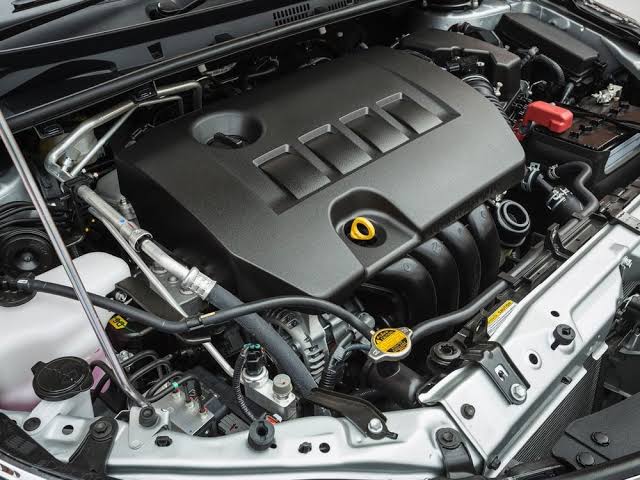
Most drivers know that running an engine with too little oil can destroy it in minutes. What fewer people realize is that adding too much oil can be equally catastrophic.
According to automotive engineers at Valvoline, overfilling engine oil by even a single quart can generate hydraulic pressure that damages seals, fouls spark plugs, and in severe cases, causes complete engine seizure. I've seen engines with under 60,000 miles suffer terminal damage simply because owners believed more oil equals better protection.
The mistake usually happens during routine maintenance. Someone checks the dipstick, sees the level sitting near the minimum mark, and thinks, "I'll top it off to be safe." A few weeks later, they repeat the process without properly checking the current level. Over time, these small additions accumulate. What started as preventative care becomes a ticking time bomb inside your engine.
Why Overfilling Destroys Engines
Your crankshaft rotates at thousands of RPMs inside the oil pan. When oil levels rise above the maximum mark, the crankshaft counterweights begin slapping the oil surface with every revolution. This whips the oil into an aerated foam that your oil pump cannot circulate effectively. Foam doesn't lubricate. It compresses under pressure and allows metal-to-metal contact in critical bearing surfaces.
The excess oil also increases internal pressure throughout the entire lubrication system. This pressure forces oil past valve stem seals and into the combustion chambers, where it burns and creates thick blue smoke from the exhaust. Drivers often think, "The engine runs fine, though." But what they don't see is the carbon buildup coating pistons and valves. That buildup eventually causes pre-ignition, valve damage, and catastrophic failure.
Modern engines with positive crankcase ventilation systems face additional risks. Overfilled oil gets pushed through the PCV valve into the intake manifold. This oil fouls mass airflow sensors, clogs intake runners, and can even hydro-lock cylinders if enough liquid enters during startup. BMW and Audi vehicles are particularly sensitive to this issue due to their turbocharged designs and tight engineering tolerances.
The Dipstick Doesn't Lie
Checking your oil correctly takes less than three minutes, but most people rush through it. The engine must be off and sitting level. Wait at least five minutes after shutdown to let oil drain back into the pan. Pull the dipstick, wipe it completely clean, reinsert it fully, then pull it again for an accurate reading. The oil level should sit between the minimum and maximum marks, ideally closer to the maximum.
I've watched countless drivers check oil immediately after shutting off the engine. The dipstick shows low because half the oil is still coating internal components. They add a quart, drive away, and wonder why their engine starts smoking a week later. Vehicle manufacturers specify exact oil capacities for a reason. A typical four-cylinder engine holds between 4.5 and 5.5 quarts. Adding even one extra quart represents a 20 percent overfill.
What To Do If You've Overfilled
If you catch the mistake early, the fix is straightforward. You can drain excess oil through the drain plug or extract it through the dipstick tube using a fluid evacuator pump. Some quick-lube shops will correct minor overfills at no charge if you catch them before leaving the lot. Driving on severely overfilled oil even for a few miles can cause damage that costs thousands to repair.
The bottom line is simple: your engine needs the right amount of oil, not the maximum amount. Follow your owner's manual specifications exactly. Check your oil level regularly using proper technique. And if you're unsure about anything during a DIY oil change, ask questions before starting the engine. Your engine will thank you with years of reliable service.
Comments (0)
Please login to join the discussion
Be the first to comment on this article!
Share your thoughts and start the discussion