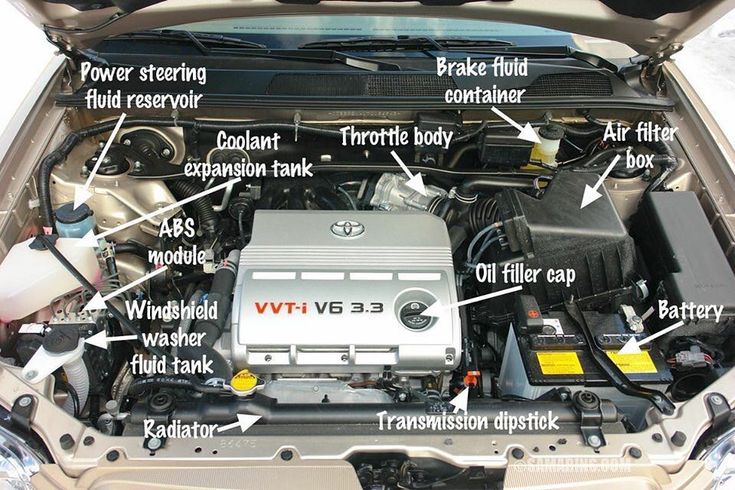
Modern engines are marvels of efficiency, but a single, often overlooked sensor can silently sabotage all that engineering. The oxygen sensor, a small probe screwed into your exhaust, can be responsible for a fuel economy drop of up to 40% according to the U.S. Environmental Protection Agency. That's nearly half your fuel, vanishing into thin air without a dramatic check engine light or a cloud of smoke. I've heard the disbelief in the shop: "My mileage has been terrible, but the car runs fine." That's the insidious nature of a failing O2 sensor. It doesn't stop the car. It just quietly bleeds
The Silent Saboteur in Your Exhaust
Your engine's computer, the ECU, is a brilliant but blind manager. It relies on a network of sensors to make critical decisions. The upstream oxygen sensor, positioned before the catalytic converter, is its primary source of intel on the air-fuel mixture leaving the combustion chambers. Think of it as the engine's taste tester. It samples the exhaust gases and sends a rapid-fire voltage signal to the ECU, telling it if the mixture is too rich (too much fuel) or too lean (too little fuel). The ECU uses this data to adjust fuel injector pulse width hundreds of times per minute. This closed-loop feedback is the heart of modern fuel efficiency and emissions control.
When this sensor ages or gets contaminated, its readings become slow and inaccurate. It's like a chef with a dulled sense of taste. The sensor might tell the ECU the mixture is lean when it's actually perfect. The ECU, trusting its only source, responds by commanding the injectors to spray more fuel. The engine runs rich. Unburned fuel washes into the exhaust. Power might feel a little soggy. The catalytic converter works overtime. And your fuel economy plummets. This can go on for months. You'll feel it at the pump long before a trouble code appears.
How to Spot the Fuel Thief
Waiting for a check engine light is a costly strategy. The sensor's performance degrades gradually. By the time the ECU sees enough consistent error to illuminate the light, you've already burned through significant extra fuel. You need to watch for the subtler signs.
The Symptoms You Can't Ignore
A sudden, unexplained drop in miles per gallon is the biggest red flag. If your usual 400-mile tank is now 300 miles, and your driving habits haven't changed, suspect the O2 sensor. You might also notice a slight rough idle, especially when the engine is cold. Some drivers report a subtle hesitation during acceleration. The car feels less eager. The classic "I know my vehicle" line applies here. If it feels thirstier, it is.
The Simple Test You Can Do
While a definitive diagnosis requires a scan tool that can read live sensor data and voltage graphs, there's a visual clue anyone can check. When the engine is fully warmed up, carefully inspect the sensor's wiring and the part of the exhaust around it. Look for heavy soot or a white, ashy coating on the sensor tip itself. This indicates contamination from burning oil or coolant, or the engine running excessively rich for a long time—often because of a bad sensor. AutoZone and other experts note that such contamination is a clear sign the sensor is no longer functioning correctly.
Replacement: Not a Guess, a Calculated Move
Replacing an oxygen sensor is a straightforward repair, but it's not a part you change on a whim. It's a maintenance item with a predictable lifespan. Most manufacturers recommend inspection or replacement between 60,000 and 100,000 miles. If your vehicle is in that range and showing symptoms, the odds are high.
Choosing the Right Part
This is critical. Always use the exact sensor specified for your vehicle's make, model, and engine. The difference between a generic "universal" sensor and a direct-fit OEM-style sensor is often the connector. A universal sensor requires splicing wires, which is a point of potential future failure. The few extra dollars for the correct plug-and-play part are worth it for reliability. CarParts.com and other reputable retailers allow you to search by your specific vehicle to ensure a perfect match.
The Payoff
The moment of truth comes with the first full tank of gas after replacement. The improvement can be dramatic. I've seen customers report a 20-30% jump in fuel economy almost immediately. The engine regains its crisp response. The idle smooths out. That silent drain on your finances is plugged. Considering the cost of a sensor versus the cost of months of wasted fuel, the repair often pays for itself surprisingly fast.
Your car's efficiency is a delicate balance. The oxygen sensor is the linchpin holding it together. Ignoring its slow decline is one of the most common and expensive mistakes a driver can make. Trust the numbers on your fuel receipt over the silence of your dashboard. When your mileage talks, listen.
Comments (0)
Please login to join the discussion
Be the first to comment on this article!
Share your thoughts and start the discussion