
That sudden lurch or hesitation when you press the gas pedal is more than annoying. It's your car shouting a warning. A 2024 analysis of vehicle diagnostic data by CarParts.com found that drivability complaints like jerking acceleration are among the top three reasons drivers finally visit a shop, often after weeks of hoping it would "fix itself." It rarely does. I hear the same phrase from frustrated drivers: "It feels like it's choking when I try to go." That feeling is a direct signal. Your engine, transmission, or a critical sensor is struggling to deliver power smoothly. Let's find out wh
Fuel & Air: The Combustion Culprits
For smooth acceleration, your engine needs a precise mix of fuel and air, ignited at the exact right moment. A hiccup in this process causes an immediate jerk.
Dirty or Failing Fuel Injectors
Fuel injectors are precision nozzles. Over time, deposits from fuel can clog them or alter their spray pattern. Instead of a fine mist, you get a dribble or an inconsistent flow. The engine stumbles when it needs more fuel under acceleration. AutoZone notes that symptoms include hesitation, rough idle, and misfires all of which can feel like a jerking motion. A professional fuel system cleaning can sometimes help, but severely clogged injectors need replacement.
Faulty Mass Air Flow (MAF) Sensor
This sensor tells the engine computer exactly how much air is coming in. If it's dirty or failing, it sends incorrect data. The computer then miscalculates the needed fuel. The result is a lean or rich condition that feels like a stumble or flat spot when you accelerate. "It has no get-up-and-go," is the common complaint. Cleaning the MAF sensor with a dedicated cleaner is a good first step, as recommended by Ford and other manufacturers.
Worn Ignition Components
This includes spark plugs, ignition coils, and wires. Weak spark leads to incomplete combustion. You might not feel a full misfire, but you will feel a lack of power and a jerking sensation as the engine struggles under load. NGK Spark Plugs, a major OEM supplier, states that worn plugs can cause hesitation and poor acceleration long before they fail completely.
Transmission & Drivetrain Issues
If the engine's power is being generated smoothly, the problem might be in how that power is being delivered to the wheels.
Low or Degraded Transmission Fluid
This is a huge one for automatic transmissions. The fluid isn't just a lubricant; it's the hydraulic medium that applies clutches and bands to shift gears. If it's low, contaminated, or burnt, the internal pressures become erratic. Shifts become harsh, delayed, or slip all perceived as a jarring jerk. Jiffy Lube emphasizes that following your manufacturer's service interval for transmission fluid is critical to prevent these issues.
Worn Clutch (Manual Transmissions)
A manual transmission clutch that is wearing out or contaminated with oil will slip. You press the accelerator, engine RPMs rise, but the car doesn't accelerate proportionally. Then the clutch grabs suddenly, causing a jerk. The driver often says, "It's not pulling like it should." This typically requires clutch replacement.
Failing Motor or Transmission Mounts
Mounts secure the engine and transmission to the chassis. When they break or deteriorate, they allow excessive movement. During acceleration, the engine can literally rock back, pulling on throttle linkages or drivetrain components, creating a clunk or lurch. MOOG, a chassis parts manufacturer, lists a "thump" or "clunk" during acceleration as a key symptom of a broken engine mount.

XTOOL D5S OBD2 Scanner - 2025 Code Reader for Cars & Trucks

Hirificing Throttle Position Sensor TPS Throttle Body Positi
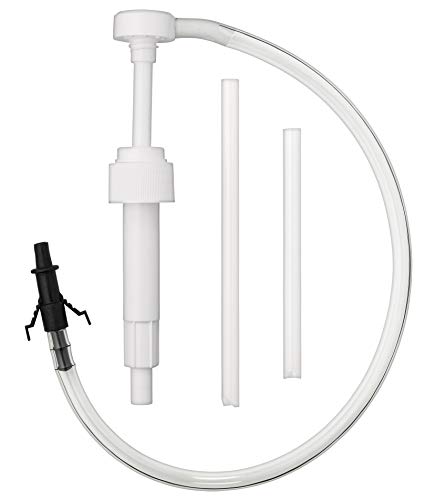
Slippery Pete - Fluid Pump for Standard Quart Bottles - 8cc

Solary Automotive Smoke Machine Leak Detector - 12V DC EVAP
Electronic & Sensor Failures
Modern cars are governed by computers that rely on a network of sensors. A faulty signal can confuse the entire system.
Throttle Position Sensor (TPS) Problems
This sensor tells the computer how far you've pressed the accelerator pedal. If it develops a dead spot or sends erratic voltage, the computer doesn't know how much throttle you're asking for. The response can be a sudden surge or a hesitation a definitive jerk. This often triggers a check engine light, but not always in early stages.
Vacuum Leaks
Engines use manifold vacuum for various functions. A cracked or disconnected vacuum hose allows unmetered air into the intake manifold. This leans out the fuel mixture, causing a rough idle and a stumbling, jerking acceleration, especially from a stop. Popular Mechanics outlines how to track down these elusive leaks, which are a classic cause of drivability issues.
How to Diagnose It: A Professional's Approach
Start simple. When does the jerk happen? Is it during the shift, or while the car is in gear accelerating? Does it happen when the engine is cold, or all the time? This context is gold.
For fuel and ignition issues, a scan tool that reads live data is essential. You can watch fuel trim numbers and MAF sensor readings in real time to see where the system is compensating. For transmission concerns, checking the fluid level and condition is step one. Is it bright red and sweet-smelling, or dark brown and burnt? That tells a story.
For suspected mounts or drivetrain lash, a visual inspection under the hood and under the car is needed. Have an assistant gently apply the brake and then press the accelerator in drive (while holding the brake firmly). Watch how much the engine moves. More than an inch of rotation often indicates a failed mount.
Don't ignore this. A jerking acceleration is a symptom of a problem that is actively wearing out other, more expensive components. Addressing it quickly is always cheaper than waiting for a complete failure.

Comments (0)
Please login to join the discussion
Be the first to comment on this article!
Share your thoughts and start the discussion