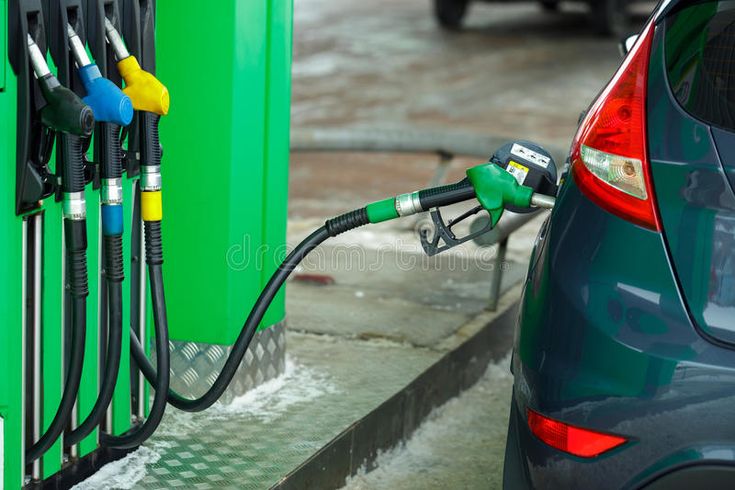
Putting the wrong fuel in your car is a mistake most drivers think they'll never make. The reality is more sobering. The UK's RAC patrols attend over 150,000 misfuelling incidents every year, and industry data from the US suggests similar patterns. That's a staggering number of preventable, and often instantly destructive, errors. The common belief is that you'll notice the mistake immediately. The truth is, you might not. The real damage often happens quietly, after you've driven away, and the repair bill can easily exceed the value of the car.
I've seen the aftermath in the shop. The conversation always starts the same way. "I filled up, drove home, and the next morning it wouldn't start." Or worse, "It ran rough for a few miles, then died completely." The driver's tone is a mix of confusion and dread. They often say something like, "It was fine when I parked it." That's the insidious part. The most catastrophic engine failures from misfuelling don't always happen at the pump. They happen after the contaminated fuel has circulated, done its damage, and left you with a vehicle that needs major surgery.
The Critical Difference Between Gasoline and Diesel
This isn't just about putting premium in a regular car. This is about a fundamental chemical mismatch. Diesel engines rely on compression ignition. The fuel is injected into highly compressed, hot air, where it spontaneously combusts. Diesel fuel also acts as a lubricant for the intricate, high-pressure fuel pump and injectors. Gasoline, in contrast, is a solvent and requires a spark plug to ignite.
Putting gasoline into a diesel tank is the more common and destructive error. The gasoline immediately strips away the vital lubrication inside the fuel pump. Metal components grind against each other, sending fine metallic debris throughout the entire fuel system. The gasoline also prematurely ignites under compression, causing violent knocking that can crack pistons or damage connecting rods. According to a technical bulletin from Bosch, a leading fuel systems manufacturer, even a small amount of gasoline contamination can cause immediate and severe damage to modern common-rail diesel systems.
The reverse mistake, putting diesel in a gasoline engine, is less common but still disastrous. Diesel fuel won't vaporize properly in a gasoline engine. It clogs the fuel injectors and fouls the spark plugs. The engine may start, run terribly, and billow thick white smoke before stalling. The unburned diesel fuel can wash down the cylinder walls, removing oil and leading to rapid piston ring and cylinder wear. In both scenarios, simply "topping it off" with the correct fuel is never the solution. The contamination is already in the system.
Why Driving It Makes Everything Worse
This is the moment that turns a costly cleanup into a catastrophic engine replacement. The instinct to "see if it will run" or to drive to a mechanic is perhaps the most damaging action you can take.
Starting the engine and driving, even a short distance, pumps the wrong fuel from the tank, through the lines, and into the heart of the engine. It circulates the contaminant to every critical component. That's when you hear the fateful words: "I thought if I diluted it with the right fuel, it would be okay." Dilution doesn't work once the fuel is past the tank. The damage is progressive and cumulative. Every rotation of the fuel pump, every injection cycle, spreads the problem further. What could have been a tank drain and system flush for a few hundred dollars becomes a bill for a new fuel pump, injectors, fuel lines, and potentially an engine rebuild running into the thousands.
Automotive service data from AAA consistently ranks misfuelling as a top cause of severe fuel system damage, precisely because drivers attempt to operate the vehicle after the mistake. The only way to prevent this escalation is to stop the process before it starts.
The Only Correct Action To Take
If you realize the mistake before leaving the station, do not start the engine. Do not turn the key to the "on" position, as this may prime the fuel pump. Your vehicle is now a statue. Call for a tow truck to take it directly to a repair facility. This is the single best financial decision you can make.
If you've already started and driven the car, shut the engine off the moment you suspect a problem. The cost of a tow is insignificant compared to the cost of a new fuel system. At the shop, a proper repair involves completely draining the fuel tank, purging all fuel lines, replacing the fuel filter, and inspecting the fuel pump and injectors for damage. In many diesel contamination cases, the entire fuel delivery system from the tank to the injectors must be replaced. It's a painful bill, but it's far less painful than the alternative of a destroyed engine.
Prevention is your best tool. Slow down at the pump. Diesel nozzles are typically larger and won't fit into a gasoline car's filler neck, but gasoline nozzles fit easily into diesel fillers. Make a habit of looking at the pump handle and the fuel grade label on your dashboard or fuel door before you unlock the cap. A moment of verification can save you from a financial nightmare. As I tell customers in the shop, your engine's health isn't just about the miles you drive. It can be decided in the thirty seconds you spend at the pump.

Comments (0)
Please login to join the discussion
Be the first to comment on this article!
Share your thoughts and start the discussion