That subtle, unnerving shudder in the steering wheel at highway speeds is more than an annoyance. It's a direct message from your car, and ignoring it is a gamble. According to data from the National Highway Traffic Safety Administration (NHTSA), tire and wheel issues are a leading factor in vehicle stability problems, and that vibration is your first, clearest warning. NHTSA I hear it all the time in the shop: "It's fine around town, but on the motorway, it feels like the whole car is buzzing." That's not fine. It's a symptom with a short list of likely causes, and diagnosing it correctly sav
The Usual Suspects: Imbalance and Irregularity
When vibration is specifically tied to speed, you can narrow the focus. The problem is almost always in the rotating assembly the parts that spin faster as you drive faster. Two culprits account for the vast majority of these complaints.
Wheel and Tire Imbalance
This is the single most common cause of high-speed vibration. Every tire and wheel assembly has minor weight inconsistencies. Technicians correct this by mounting small adhesive weights on the wheel rim. Over time, weights can fall off, or tire wear can create new imbalances.
What you feel: A vibration that starts at a specific speed, often between 50 and 70 mph, and may lessen or change slightly at higher speeds. It's usually felt most strongly through the steering wheel, but can also be in the seat or floor. The classic line is, "It drives smooth until I hit 65, then it's like a massage chair." That's imbalance talking.
The fix is straightforward: a professional wheel balance. Don't assume it was done at your last tire rotation. Have it checked.
Tire Condition and Wear Patterns
Imbalance is about weight distribution. This is about shape. A tire that is no longer perfectly round will cause a rhythmic thumping or shaking. The most common cause is uneven wear, like cupping or scalloping, often due to worn suspension components, improper inflation, or skipped rotations. A tire with a separated belt or internal damage can also cause a severe, often dangerous, vibration.
What you feel: A vibration that may come with a audible hum or thumping sound, increasing with speed. It often feels more like a "hop" than a buzz. Run your hand over the tread surface. If it feels bumpy or scalloped, the tire itself is the source. As TireBuyer explains, irregular wear patterns are a direct indicator of mechanical or maintenance issues that need correction, not just new tires.
When It's More Than a Tire: Driveline and Brake Issues
If balancing and tires check out, the vibration source is further in. These issues are less common but more mechanically involved.
Driveshaft and CV Joint Problems
For rear-wheel or all-wheel drive vehicles, a faulty driveshaft is a prime suspect. The driveshaft must be perfectly balanced and its U-joints must be tight. If a weight is missing, a joint is worn, or the shaft is even slightly bent, it will cause a pronounced vibration under acceleration. For front-wheel drive, worn outer CV joints can cause a clicking on turns and a vibration under load at speed.
What you feel: A vibration that worsens during acceleration and may diminish when you coast. You might feel it more through the seat or floorpan than the steering wheel. It's a deep, resonant shudder that builds with engine load, not just wheel speed.
Warped Brake Rotors
This one has a distinct signature. Warped rotors typically cause vibration during braking, not during cruising. However, if the warping is severe, you can sometimes feel a slight shudder even when your foot is off the pedal, especially at higher speeds where even minor runout is amplified.
What you feel: A pulsation in the brake pedal and steering wheel when you apply the brakes. The vibration is tied to the act of braking. People often say, "I thought it was the alignment," but alignment issues cause pulling, not a pulsating pedal.
The Actionable Diagnosis Path
Don't guess. Follow this logical sequence. It's the same process I use to avoid wasting a client's time or money.
First, check tire pressures cold. Incorrect pressure accelerates wear and can cause vibration on its own. Next, perform a visual inspection. Look for missing wheel weights, obvious tire damage, or irregular wear patterns.
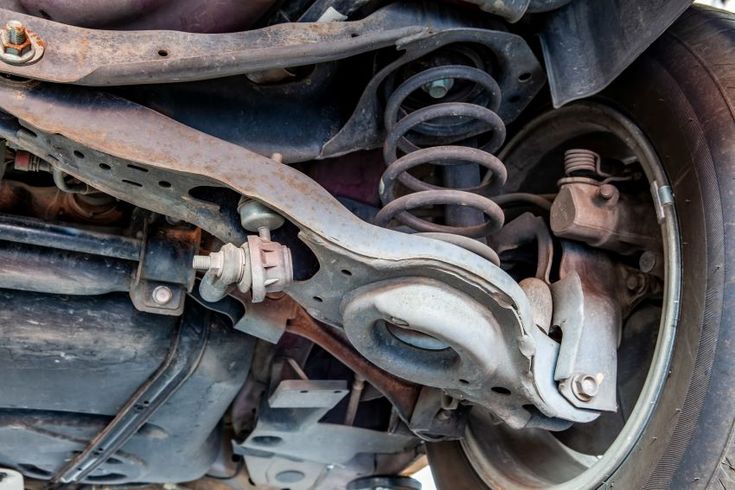
If nothing is visually apparent, start with a wheel balance. It's the most likely fix. If the vibration persists, have a technician check for tire runout and inspect the suspension components worn tie rods, ball joints, or bushings can allow the wobble that causes tire cupping.
For vibrations felt during acceleration or through the seat, the investigation moves to the driveshaft, CV joints, and engine/transmission mounts. A worn mount can allow engine vibration to transfer directly into the chassis at specific RPMs.
Remember, a vibration is a force. Your job is to find which rotating part is creating that force. It's a process of elimination, but one that starts with the simplest, most common causes. Ignoring it leads to accelerated tire wear, stress on suspension components, and driver fatigue. That hum isn't your car's purr. It's a cry for help.

Comments (0)
Please login to join the discussion
Be the first to comment on this article!
Share your thoughts and start the discussion