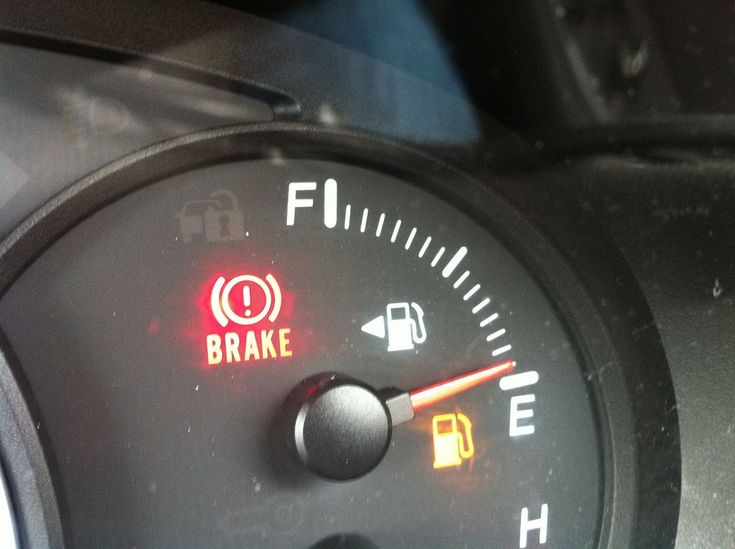
I've been in the automotive business for over two decades, and I still hear the same surprised statement from drivers. "I've owned this car for five years and I never knew what that little arrow was for." They're pointing to the small triangle or arrow next to the fuel pump icon on their dashboard. It's one of the most overlooked, yet brilliantly simple, features in any modern car.
This isn't a secret function in the sense of a hidden Easter egg. It's a standard piece of driver information that, for some reason, never gets explained in the owner's manual deep dive. People see it, assume it's part of the gauge's design, and forget about it. But once you know its purpose, you'll wonder how you ever missed it. It solves a very common, mildly frustrating problem before you even have it.
It's Not a Design Flair, It's a Directional Guide
The primary and only function of that small arrow is to tell you which side of the car your fuel filler door is on. The arrow points directly to the left or right. If the arrow points left, your fuel cap is on the left side of the vehicle when you're sitting in the driver's seat. If it points right, it's on the passenger side.
This feature became commonplace in the late 2000s as a universal design cue adopted by nearly every major automaker. Before this, you had to rely on memory, a tiny icon of a fuel pump with a hose on a specific side, or the embarrassing pull-forward maneuver at a busy gas station. I can't count the number of times I've heard someone say, "I always forget in this rental car," as they circle the pump. That arrow is the answer.
Why This Simple Feature is a Genuine Lifesaver
Its value becomes crystal clear in a few everyday situations where guessing is not just inconvenient, but potentially unsafe or wasteful.
Driving an Unfamiliar Vehicle
This is the most obvious win. Whether it's a rental car, a borrowed vehicle from a friend, or a new company car, you likely have zero muscle memory for where the fuel door is. Instead of craning your neck while pulling up to the pump or getting out to check, a glance at the dash gives you instant, reliable information. You can pull up to the pump correctly on the first try, every time. It's a small victory that makes driving an unfamiliar vehicle that much less stressful.
Preventing Costly Mistakes at the Pump
Pulling up to the pump on the wrong side isn't just awkward. With today's vehicles having shorter fuel hoses at many stations, you might find yourself stretching the hose over your car's roof or bodywork to reach. This can lead to scratches, paint damage, or even pulling the pump nozzle out of your tank prematurely. Knowing your side beforehand lets you position the car cleanly and safely, protecting your paint and making the process smoother.
Furthermore, in tight, crowded gas stations, correcting a wrong-side approach can be difficult. You might have to back out into traffic or wait for another spot to open. That arrow helps you navigate the forecourt efficiently and safely. It removes the "I think it's on this side" gamble that so many of us have lost.
A Universal Language Across All Cars
Here's a key piece of knowledge: this isn't a feature exclusive to certain brands. It's a near-universal standard. Whether you're in a Toyota, a Ford, a BMW, or a Hyundai, the rule is the same. The arrow's direction corresponds to the filler side. This consistency is powerful. Once you learn to look for it, you have a reliable tool for any vehicle you step into, from a compact hatchback to a large pickup truck.
What If Your Car Doesn't Have the Arrow?
If you look at your fuel gauge and don't see a distinct arrow, don't worry. The information is likely still there, just presented differently. Some older vehicles or specific models use an icon of the fuel pump itself, with the fuel hose drawn on either the left or right side of the pump graphic. That side indicates your filler location. If the hose is on the right side of the pump icon, your fuel door is on the right side of the car.
Take a moment on your next drive to locate this indicator. It's one of those simple, thoughtful pieces of automotive design that genuinely makes life easier. It turns a moment of potential frustration into a non-issue. You'll never have to say, "Hang on, let me get out and check" again. That little arrow has been quietly doing its job all along, waiting for you to notice.
Comments (0)
Please login to join the discussion
Be the first to comment on this article!
Share your thoughts and start the discussion