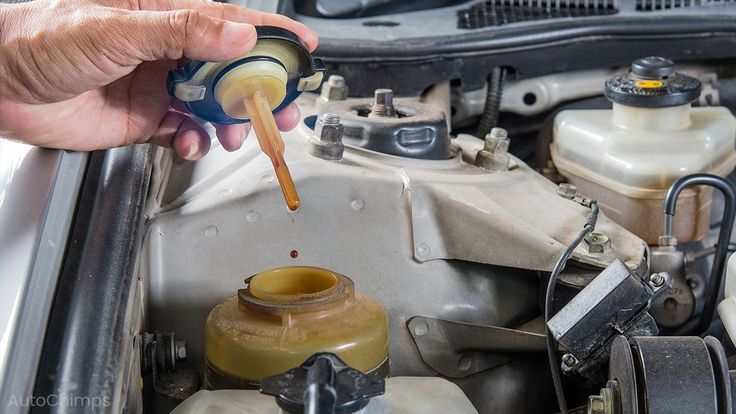
A power steering fluid leak is more than a messy puddle. It is a direct threat to your ability to control your vehicle. According to a study by the NHTSA, steering system failures contribute to thousands of crashes annually. That red or amber fluid on your driveway is a clear warning sign you cannot afford to ignore. I hear it all the time: "It's just a small drip." That small drip is the first chapter of a story that ends with a heavy steering wheel and a costly repair bill. Let's find out where it's coming from and why it matters so much.
The Usual Suspects: Where Your Fluid Is Going
Power steering systems are under constant pressure. The fluid doesn't just leak out on a whim. A leak means a seal has failed, a hose has weakened, or a component is worn. The location of the leak tells you everything.
Pressure and Return Line Hoses
These are the most common culprits I see. The high-pressure hose carries fluid from the pump to the steering rack at pressures that can exceed 1,000 PSI. The return line carries it back at low pressure. Over time, heat and constant flexing cause these rubber hoses to crack, blister, or become soft. You will often see fluid spraying or weeping from a specific spot along the hose. A customer once told me, "I know my vehicle, it's always been fine." The hose gave out the next day on a sharp turn. Trust the evidence, not the assumption.
The Power Steering Pump Itself
The pump is the heart of the system, and its shaft seal is a frequent failure point. You will typically see fluid leaking from the center of the pump, where the pulley attaches, or from the reservoir connection. A worn pump seal often makes a whining noise, especially when turning the wheel. This is a classic sign. If you hear that noise and see fluid, the pump is likely the source. Replacing the pump without also replacing the often-contaminated fluid and flushing the system is a common mistake that leads to repeat failures.
The Steering Rack or Gearbox
This is a more serious and expensive leak point. The steering rack contains internal seals that keep fluid contained around the piston. When these seals wear out, fluid leaks from the ends of the rack, near the inner tie rods. You might notice fluid on the rubber bellows boots. A leak here often means the entire rack needs to be rebuilt or replaced. It is not a repair to delay. Low fluid from a rack leak leads to poor lubrication inside the unit, causing rapid wear and potentially damaging the rack beyond repair.
What Happens If You Keep Driving
Ignoring a power steering leak is a gamble with your safety. The system will not fail gracefully. First, you will notice the steering becoming heavier, especially at low speeds or when parking. This is your warning. As fluid level drops further, air enters the system. This causes erratic steering, a loud groaning from the pump, and eventually, a complete loss of power assist. You will be left fighting the wheel to make basic maneuvers. In an emergency situation, that loss of control could be catastrophic. Furthermore, low fluid causes the pump to run dry and overheat, leading to a total pump seizure. A simple seal replacement turns into a pump and rack replacement. The cost multiplies.
The Smart Way to Diagnose and Fix It
Do not guess. Start with a visual inspection. Clean the engine bay area around the power steering components with a degreaser. Then, with the engine cold, check the fluid level in the reservoir. Use a flashlight to trace the hoses from the pump to the rack and back. Look for wetness, drips, or swollen hose sections. To pinpoint a small leak, you can add an UV dye designed for power steering fluid to the reservoir. Run the engine and turn the wheel lock-to-lock a few times. A UV light will make the leak glow brightly, showing you the exact source.
For hose leaks, replace the hose. Do not use stop-leak additives. They can clog the entire system. For a pump seal leak, a professional can sometimes replace just the seal, but if the pump is old or noisy, replacement is the more reliable option. For a steering rack leak, consult a trusted technician. The repair often involves removing the rack, which is a significant job. Always use the type of power steering fluid specified in your owner's manual. Using the wrong fluid can damage seals and accelerate the leak. CarParts.com confirms that using the correct fluid is critical for system longevity.
A power steering fluid leak is a call to action, not an observation. That puddle is a symptom with a direct cause and a predictable, expensive outcome. Find it. Fix it. Your safety, and your wallet, depend on it. Because "it's still driving" is not a diagnosis. It is borrowed time.
Comments (0)
Please login to join the discussion
Be the first to comment on this article!
Share your thoughts and start the discussion