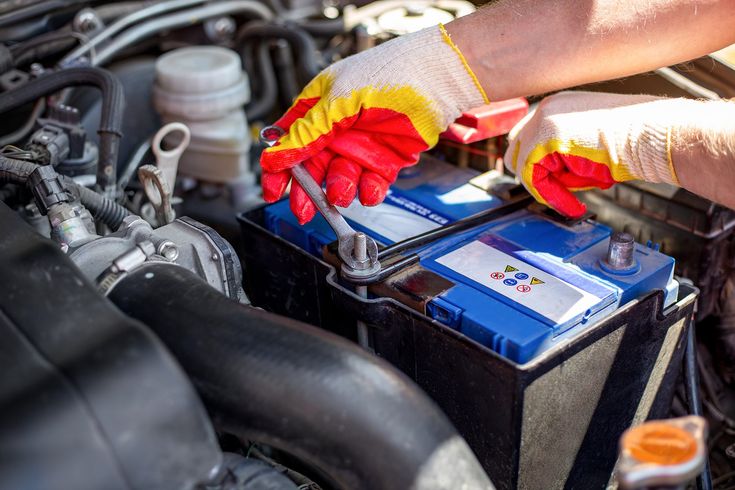
You disconnect the battery to reset a warning light or install a new part. You reconnect it, expecting everything to be normal. But then your car starts acting strange. The idle is rough. The windows won't auto-roll. The radio is dead. You might even see a Christmas tree of warning lights on the dash. I hear the same bewildered statement in my shop all the time: "I only unhooked the battery. Now the whole car is confused." It feels like you broke it by fixing it. The truth is, you didn't break anything. You reset the car's brain, and it needs time to relearn how to be a car.
Why Your Car Acts Like a Stranger
Modern vehicles are rolling computers. When you disconnect the battery, you perform a hard reset. You wipe the volatile memory in the Engine Control Unit (ECU) and other modules. This erases all the adaptive learning data the car has spent weeks or months gathering. According to technical bulletins from major manufacturers like Toyota and General Motors, this data is critical for fine-tuning engine operation. The car doesn't know its own idle speed, fuel trim, or throttle response anymore. It reverts to generic factory base maps and has to start the learning process from scratch.
This is not a fault. It's a feature. The system is designed to adapt. The "confusion" you experience is the car running on default settings while it gathers new data. It can feel wrong because those defaults are not optimized for your specific engine, your fuel, or your driving style.
The Common Symptoms of a Reset ECU
After a battery disconnect, don't be surprised by a few specific issues. They are almost universal.
Rough or High Idle
This is the number one complaint. The engine may idle erratically or settle at a higher RPM than usual. The ECU has forgotten the ideal air/fuel mixture for your engine at rest. It's relearning by monitoring the oxygen sensors and adjusting. This process can take several drive cycles. People often say, "It sounds like it's going to stall." It usually won't. Give it a few minutes of running, and it will often smooth out.
Poor Throttle Response and Hesitation
Acceleration might feel sluggish or jerky. The throttle position sensor and ECU have lost their learned relationship. The computer is recalibrating how much fuel to inject for a given throttle input. Driving feels uncertain. The car is literally re-learning how to drive.
Accessory Memory Loss
Your power windows likely lost their "auto-up" and "auto-down" function. You have to reprogram them by holding the switch. The sunroof might not operate correctly. The radio asks for an anti-theft code or has lost all presets. These modules also lost power and their simple memory. This isn't confusion. It's amnesia. These items need manual resetting, as outlined in your owner's manual.
How to Help Your Car Relearn Quickly
You can't rush the deep ECU learning, but you can create the ideal conditions for it. The key is consistent, normal driving. Avoid short trips during this period.
Here is a specific, actionable procedure I use in the shop. Start with a cold engine. Let the car idle until the cooling fan cycles on once. This brings it to full operating temperature. Then, drive the car for at least 20 minutes. Mix city driving with steady highway speeds. Perform gentle accelerations and decelerations. Avoid aggressive throttle or hard braking. This variety gives the ECU the data range it needs to rebuild its maps for idle, part-throttle, and cruising conditions.
If issues persist beyond 50 to 100 miles of mixed driving, then it's time to consider a deeper problem. A persistent rough idle could point to a vacuum leak that was masked by the old adaptive data. A continuing check engine light likely indicates a fault that was present before the reset and has now been detected anew. As AutoZone notes in its repair guides, a battery reset can clear old codes, but underlying faults will trigger new ones quickly.
When It's More Than Just Relearning
Sometimes, the problem isn't adaptation. A weak battery or poor connection can cause continuous resets. If your battery terminals are corroded or loose, you might be inadvertently resetting the ECU every time you hit a bump. This creates a perpetual state of confusion. Always ensure terminals are clean and tight.
Also, some vehicles have specific relearn procedures that go beyond simple driving. Certain models require a throttle body relearn using a scan tool. Others need a steering angle sensor recalibration after power loss. If basic driving doesn't resolve issues, consult a professional or your vehicle's service information. The statement "It's never done this before" is your cue to look deeper.
Final Word
Disconnecting the battery is a common and sometimes necessary step. The temporary oddities that follow are normal. They are the sound of your car waking up and getting its bearings. Understand the process, follow a proper drive cycle, and be patient. The confusion almost always passes.
But if it doesn't, listen. The car is telling you the reset merely revealed a problem that was already there, waiting.
Comments (0)
Please login to join the discussion
Be the first to comment on this article!
Share your thoughts and start the discussion