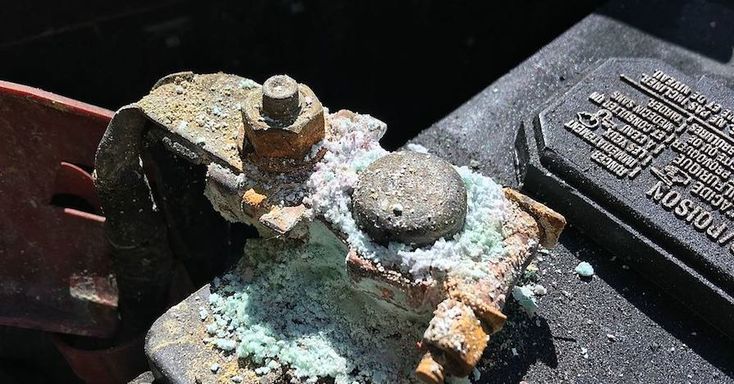
Corrosion on your battery terminals is not a sign of age. It is a chemical message. And most drivers are reading it wrong. I hear the same phrase in my shop all the time: "I cleaned it off, but it keeps coming back." That's the clue. The white, blue, or green crust is a symptom, not the problem itself. Ignoring the root cause means you will be cleaning those terminals every few months, and you risk being stranded with a car that won't start.
The Real Culprit Behind the Crust
That powdery or crystalline substance is caused by a chemical reaction. The most common type is a white, ashy deposit. This happens when hydrogen gas, released from the battery vents during normal charging, reacts with the sulfur in the battery acid and the metal of the terminal. It creates lead sulfate. This process is accelerated by a poor electrical connection, which creates heat and more gassing. A study by the AAA Automotive Research Center confirms that loose or dirty connections are a primary catalyst for terminal corrosion.
But colour tells a deeper story. Bluish-green corrosion points to copper sulfate, often from the copper inside your battery cable reacting. This usually means the terminal seal is compromised and electrolyte is wicking up the cable strand. That's a more serious issue than surface gunk.
Why It Matters More Than You Think
This corrosion is not simply ugly. It is an insulator. It creates resistance in the very connection that needs to deliver massive amperage to start your engine. You might notice your headlights dimming slightly or the starter sounding sluggish on a cold morning. Eventually, you get the dreaded single "click" and nothing else. People say, "The battery is only two years old!" A corroded connection can make a perfectly good battery seem dead.
The corrosion also eats away at the metal. Over time, it can weaken the terminal clamp or the battery post itself. I have seen posts so corroded they snap off during removal. That turns a simple battery service into a much more complex repair.
Check Your Battery Case
Before you blame the terminals, look at the battery itself. Cracks in the plastic case or a damaged vent cap can allow acidic vapor to escape more freely. This vapor settles directly on the terminals and accelerates corrosion. A visual inspection for damage or swelling is a smart first step.
How to Fix It Permanently
Cleaning is only half the job. Doing it safely and completely is what stops the cycle.
Safe Cleaning Procedure
Always disconnect the negative cable first, then the positive. This prevents accidental short circuits. A simple and effective cleaner is a paste made from baking soda and water. Apply it to the corroded areas with an old toothbrush. The baking soda neutralizes the acid. You will see it fizz. Rinse thoroughly with clean water and dry completely with a cloth. For heavy corrosion on the cable ends, a dedicated battery terminal cleaning tool with wire brushes is a worthwhile investment.
The Step Everyone Forgets
After cleaning, this is the critical part. The metal is now bare and will immediately begin to oxidize again. You must protect it. Apply a thin coat of petroleum jelly or a dedicated battery terminal protector to both the post and the inside of the clamp before reconnecting. This creates a barrier against moisture and corrosive gases. Reconnect the positive cable first, then the negative, and tighten them securely. A loose connection is an invitation for more corrosion.
When Corrosion Points to a Bigger Problem
Sometimes, recurring corrosion is a warning light for your charging system. If your vehicle's alternator is overcharging, it forces the battery to overheat and vent excessive hydrogen gas. This creates corrosion rapidly, often on both terminals. If you clean your terminals and find them heavily corroded again in a matter of weeks, have your charging system tested. A report from Firestone Complete Auto Care notes that overcharging is a common, but often overlooked, cause of persistent corrosion.
That pattern is your car asking for help. Listen to it.
Terminal corrosion is manageable. The goal is not to achieve a spotless, showroom finish. The goal is to maintain a clean, tight, and protected connection. A five-minute inspection when you check your oil can save you the hassle and cost of a no-start. Remember, the battery is the heart of your car's electrical system. Corrosion is like clogged arteries. Keep the connections clean, and the power flows freely.
Comments (0)
Please login to join the discussion
Be the first to comment on this article!
Share your thoughts and start the discussion