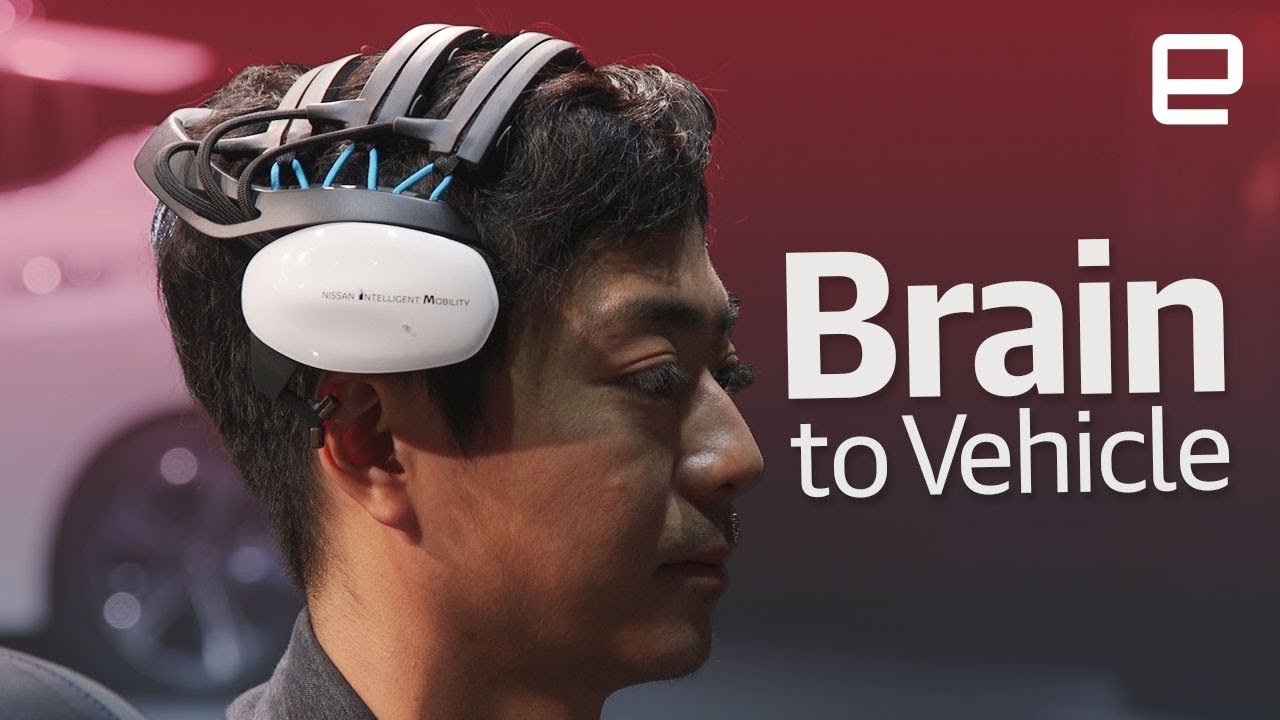
Imagine a world where your car anticipates your next move before your foot even leaves the brake pedal. That world is here. Brain-to-vehicle (B2V) interface technology is moving from science fiction to tangible reality, promising to reshape our relationship with machines. I've seen countless innovations in automotive technology, but this one feels fundamentally different. It's not about adding another button or screen. It's about creating a seamless, intuitive connection that makes driving safer and more responsive. The potential is staggering, and the engineering behind it is even more fascin
Decoding the Signal How Your Brain Talks to a Car
At its core, B2V technology is a translator. It interprets the electrical signals your brain produces when you intend to act. You don't need to shout commands or press a button. The system detects your intention as it forms. Major research, like that from Nissan which demonstrated a reaction time improvement of 0.2 to 0.5 seconds, shows the practical benefit. That fraction of a second can be the difference between a near miss and a collision.
The magic happens with sensors, usually in a headset or integrated into a seat, that detect electroencephalogram (EEG) waves. These are the tiny electrical pulses associated with brain activity. When you think about turning the steering wheel or hitting the brakes, specific neural patterns fire. The B2V system's algorithms are trained to recognize these patterns almost instantly. It's a far cry from simply reacting to your physical input. It's about predicting it. This predictive capability is what sets it apart from every other driver aid we've seen.
The Two Paths of B2V Reactive and Predictive
Not all brain-to-vehicle interfaces work the same way. Understanding the two primary modes is key to seeing their full potential.
Reactive Assistance
This mode acts as a hyper-fast co-pilot. It detects your brain's command to swerve or brake and helps execute it with machine precision and speed. Think of it as removing the lag between your thought and the vehicle's response. If the system detects the neural signature of an emergency brake application, it can initiate braking procedures faster than your leg muscles can physically move. It doesn't take control. It amplifies your own reaction.
Predictive Adjustment
This is where it gets truly interesting. Predictive systems learn your patterns and prepare the vehicle for your likely next action. For instance, as you approach a corner, the system might detect the subtle brain activity associated with preparing to turn. It could then pre-tension the seat bolsters, adjust the steering ratio for optimal response, or even prime the suspension system for the anticipated lateral force. It's the vehicle saying, "I know what you're about to do, and I'm ready." This level of symbiosis was once pure fantasy.
Beyond the Hype The Tangible Benefits for Drivers
This isn't about creating lazy drivers. It's about creating safer, more engaged, and less fatigued ones. The benefits are concrete and measurable.
First, safety receives a monumental boost. By shaving critical milliseconds off reaction times, B2V can help avoid accidents. It's an additional layer of protection that works in harmony with your own instincts and existing systems like automatic emergency braking. Second, it reduces cognitive and physical fatigue. The vehicle handles minor adjustments and preparations, allowing you to focus on the broader driving environment. Long journeys become less taxing. Finally, it personalizes the driving experience to an unprecedented degree. The car adapts to your unique neural rhythms, creating an interface that feels perfectly tailored. It's the ultimate evolution of the driver's car, moving beyond physical adjustments to neural harmony.
The Road Ahead Challenges and Realistic Expectations
As with any groundbreaking technology, there are significant hurdles. The technology must be incredibly robust and foolproof. What happens if the system misinterprets a daydream for a command? Calibration is another massive challenge. Every brain is unique, and systems will require precise, individual calibration to work effectively. Then there's the question of widespread consumer acceptance. People are understandably cautious about technology that reads their thoughts.
We won't see B2V as a standard feature next year. The path forward will involve gradual integration, likely starting in high-performance or luxury segments where the cost can be justified. It may first appear as a specialized feature for track use or in commercial vehicles to monitor driver alertness. The key is to view this not as an imminent revolution, but as the next logical step in a long journey of human-machine interface, much like the evolution from carburetors to common rail technology.
Brain-to-vehicle interface technology is more than a gadget. It represents a fundamental shift in how we command machinery. It turns intention into action with a speed and smoothness we've never experienced. The engineering is complex, but the goal is simple: to build a car that doesn't just listen to your commands, but understands your intent. That's a future worth driving toward.
Comments (0)
Please login to join the discussion
Be the first to comment on this article!
Share your thoughts and start the discussion