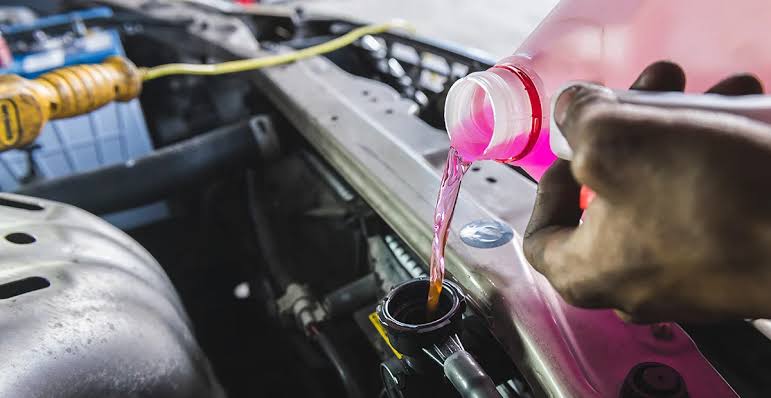
Your engine overheating light comes on again. You pop the hood, twist off the reservoir cap, and pour in another bottle. Problem solved, right?
According to automotive experts at CRC Industries, this band-aid approach is one of the most common ways drivers unknowingly accelerate catastrophic engine failure. I've watched countless owners turn a $200 hose replacement into a $4,000 head gasket job simply because they kept adding coolant instead of fixing the actual leak.
The reasoning seems logical. "It's still running fine, so I'll deal with it later." The temperature gauge looks normal. No visible puddles under the car. Everything seems manageable if you keep refilling the reservoir every few days. That assumption costs more than most people realize.
The Hidden Damage Cycle
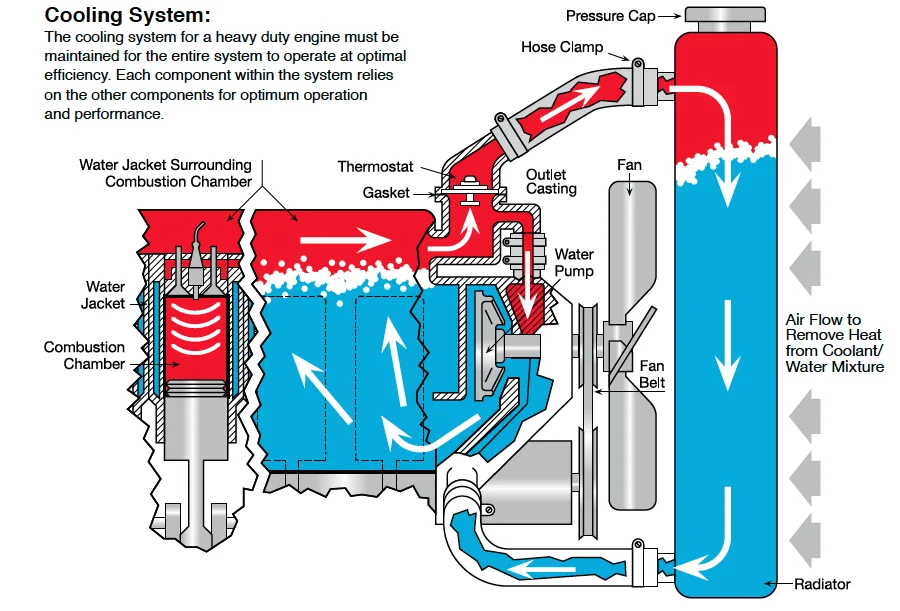
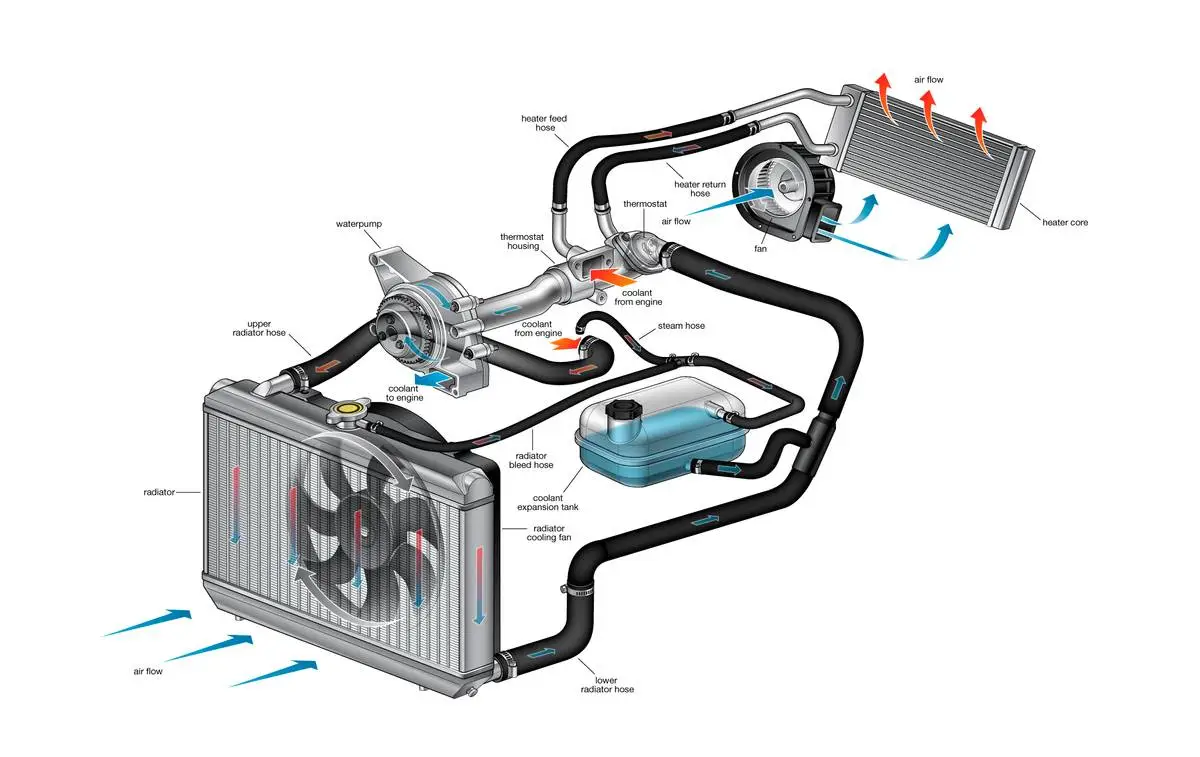
Cooling systems are designed to operate as sealed units with precise pressure and fluid levels. When coolant leaks out, you're not simply losing liquid. You're introducing air pockets into the system every time you refill it. These air bubbles prevent proper circulation, causing localized hot spots that your temperature gauge might not detect until severe damage occurs. Harvey's Garage explains that air pockets can cause sections of your engine to overheat while the coolant sensor reads normal temperatures.
Most drivers don't realize their engine has been overheating repeatedly between fill-ups. Each overheating episode warps metal components slightly. Aluminum cylinder heads expand at different rates than cast iron blocks. After enough heat cycles, the head gasket fails. What started as a $150 radiator hose leak becomes a $3,500 head gasket replacement requiring complete engine disassembly.
Why Ignoring the Source Costs More
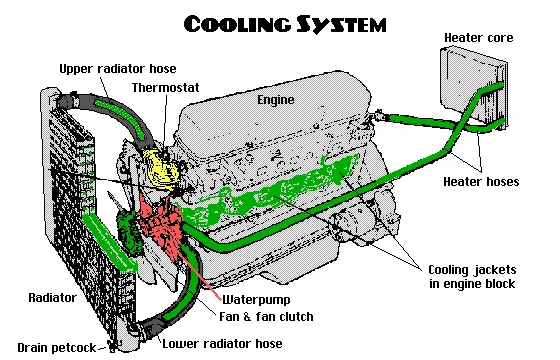
Every coolant leak has a root cause: deteriorated hoses, a cracked radiator, failing water pump seals, or corroded freeze plugs. These components continue degrading while you keep topping off the reservoir. A small weep from a radiator end tank turns into a catastrophic split during your morning commute. According to Kernersville Auto Center, dirty coolant itself accelerates corrosion, creating a feedback loop where the leak worsens and contaminants damage other cooling system components.
The financial math is brutal. Catching a coolant leak early might cost $100 to $400 depending on the component. Waiting until overheating causes head gasket failure pushes repair costs above $2,000 for most vehicles. Luxury and European cars can exceed $5,000 due to labor intensity and parts costs.
What You Should Do Instead
If your coolant level drops noticeably within two weeks, you have a leak that requires professional diagnosis. Don't guess. Becker Service Center points out that even slow leaks create risk. Have a technician pressure-test the cooling system to locate the exact failure point. The test takes 20 minutes and costs around $50 at most shops.
Stop treating coolant loss as normal maintenance. Your cooling system shouldn't need frequent refills. Finding and fixing the leak now prevents exponentially more expensive failures later. The choice is straightforward: repair it correctly once, or pay for compounding damage that grows with every mile you drive.
Comments (0)
Please login to join the discussion
Be the first to comment on this article!
Share your thoughts and start the discussion