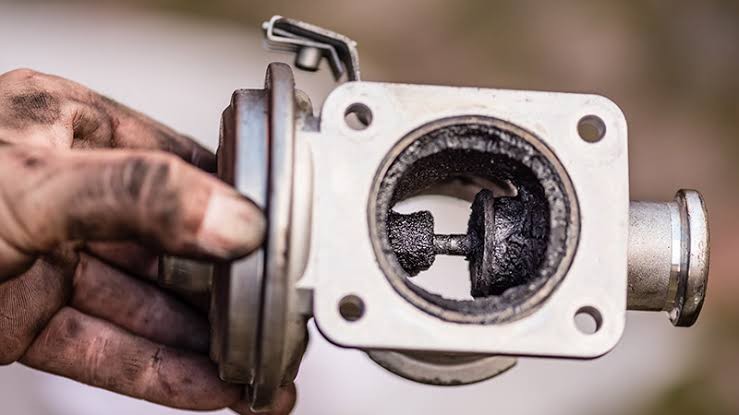
EGR stands for Exhaust Gas Recirculation. It is a system commonly found in modern automobiles. Here's some information about EGR, its purpose, and how to diagnose and troubleshoot a faulty EGR system, along with some common Diagnostic Trouble Codes (DTCs) associated with it:
The Top 10 Engine Sensors Every Car Owner Should Know
What is an EGR?
- EGR is an emissions control system in a car engine.
- It reduces nitrogen oxide (NOx) emissions by recirculating a portion of the engine's exhaust gases back into the intake manifold.

Purpose and roles of EGR:
- Reduces the combustion temperature, which helps control the formation of NOx, a harmful pollutant.
- Improves fuel efficiency by reducing the amount of oxygen in the combustion chamber.
- Prevents engine knocking or pinging by lowering peak combustion temperatures.
- Enhances the engine's performance and reduces emissions during certain operating conditions.

Diagnosing and troubleshooting a faulty EGR system:
Common symptoms of a faulty EGR system include rough idling, reduced engine performance, increased fuel consumption, and illumination of the check engine light.

LAUNCH Creader 3001 OBD2 Scanner, Engine Fault Code Reader M

LAUNCH CRP123 V2.0 Elite OBD2 Scanner, 2025 New Engine/ABS/S

Garage Door Screen, 16x7 Ft Magnetic Closure Heavy Duty Weig

STARWORK TRUE MECHANIC™ 314-Piece Mechanics Tool Set and Soc
Decoding the Check Engine Light: Causes, Troubleshooting, and Common DTC Codes Explained
Here are steps to diagnose and troubleshoot a faulty EGR system:
- Check for EGR-related DTCs using an OBD-II scanner.
- Inspect the vacuum hoses and electrical connections for any signs of damage or leaks.
- Clean the EGR valve and passages to remove carbon deposits that may cause it to stick.
- Test the EGR valve using a vacuum pump to ensure proper operation.
- Inspect the EGR position sensor or EGR pressure sensor, depending on the vehicle's configuration.
- Check for exhaust gas leaks in the EGR system.
- Verify that the EGR solenoid or control circuit is functioning correctly.

Understanding the Mass Airflow Sensor: How It Works and Its Benefits
Common EGR-related DTC codes:
- P0400: Exhaust Gas Recirculation Flow Malfunction
- P0401: Exhaust Gas Recirculation Flow Insufficient Detected
- P0402: Exhaust Gas Recirculation Flow Excessive Detected
- P0403: Exhaust Gas Recirculation Circuit Malfunction
- P0404: Exhaust Gas Recirculation Circuit Range/Performance
- P0405: Exhaust Gas Recirculation Sensor A Circuit Low
- P0406: Exhaust Gas Recirculation Sensor A Circuit High
- P0407: Exhaust Gas Recirculation Sensor B Circuit Low
- P0408: Exhaust Gas Recirculation Sensor B Circuit High

It's important to note that the specific diagnostic and troubleshooting steps may vary depending on the vehicle make, model, and year.

Comments (0)
Please login to join the discussion
Be the first to comment on this article!
Share your thoughts and start the discussion