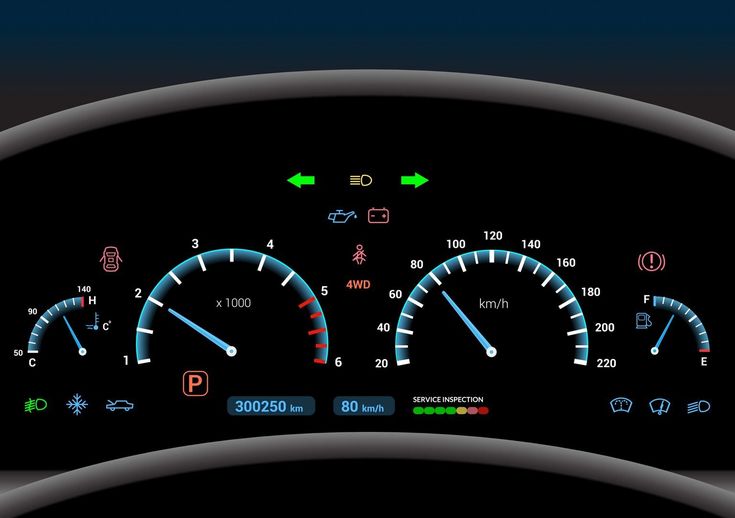
The Light Is Not the Boss. Your car's check engine light monitors roughly 60% of what's actually happening inside your engine. That's it. The other 40%? Your car is dealing with it silently, and you won't know until you feel it in the seat of your pants.
I've heard it a hundred times in the shop. "I had it scanned and there were no codes." Followed by that confident shrug. That shrug worries me more than any warning light ever could. Because a car that feels sluggish, hesitant on acceleration, or flat on power with zero fault codes is not a car that's fine. It's a car telling you something the computer isn't equipped to say out loud.
Here's the thing nobody tells you. The check engine light only activates when a sensor detects a reading outside its programmed threshold. If your component is degrading but still sending data within range, even bad data, the light stays off. Your engine suffers. Quietly.
Why No Light? Understanding the Threshold Problem
The OBD-II system in your car is smart, but it works on limits. Think of it like a teacher who only reports a student when they score below 50. Score 51 with zero effort, and you sail through undetected.
That's exactly what happens with components that are worn but not completely failed. The Mass Air Flow (MAF) sensor is a perfect example. When it gets dirty or starts to degrade, it doesn't stop working. It keeps sending air intake readings to the ECU, but those readings become inaccurate. The engine gets the wrong fuel-to-air mixture. Power drops. Acceleration becomes lazy. And the check engine light? Nothing. The sensor is technically "functional," so no fault code is generated.
The system doesn't know what it doesn't know.
The Real Suspects Behind Your Power Loss
Let's get specific. These are the four most common causes I see in the workshop, and they all share one thing: they rob your engine of power without ever triggering that amber light.
1. Dirty Throttle Body
This one is massively overlooked. The throttle body controls how much air enters your engine. Over time, carbon deposits from normal combustion build up around the throttle plate, slowly restricting airflow. You won't get a fault code because the throttle sensor is still working. The problem is physical, not electrical.
What you feel: Hesitation when you press the accelerator, sluggish response pulling away from lights, occasional rough idle. Your car will drive, but it won't feel right.
- Fix: A professional throttle body cleaning service. It takes under an hour and the difference in throttle response is immediate. I've seen customers return from a test drive genuinely shocked at how different their car feels after one clean.
2. Worn Spark Plugs or Weak Ignition Coils
Here's something most drivers don't know. A misfire has to reach a specific frequency before it triggers a check engine light. Below that threshold, the ECU notes the misfire, files it away, and moves on. Your engine is misfiring. No light comes on. You feel it as flat, unresponsive acceleration, especially under load on the motorway or climbing a hill.
"My car feels off but nothing showed up on the scanner" is the sentence I associate most with worn ignition components. Spark plugs are a service item, not a fix-when-broken item. Most manufacturers recommend replacement between 60,000 and 100,000 kilometres. Many people go well past that. When combustion is weak, power is weak. It's that direct.
- Fix: Inspect and replace spark plugs and test your ignition coils. If your car has over 80,000km on the original plugs, replace them without waiting for a diagnostic reason to do it.
3. Fuel Delivery Issues Running Below the Threshold
Your fuel pump might be failing, but it's not dead yet. At idle, it delivers enough pressure to keep the engine running without complaint. Then you accelerate, demand increases, and the pump can't keep up. Power drops. The engine hesitates. You ease off, pressure recovers, and everything seems normal again.
Fuel pressure sitting at the low end of acceptable won't trigger a code. It's borderline, not broken. The same applies to a partially clogged fuel filter or injectors that are dirty but still flowing. The ECU sees acceptable readings. You feel the performance deficit every time you ask your engine to work harder. Pedal Commander
Fix: Have a fuel pressure test performed under load, not just at idle. A static fuel pressure test at idle can mask a pump that fails under demand. This is a specific request you need to make to your technician.
4. A Clogged Air Filter
This one sounds basic. It is basic. And it gets ignored constantly. A severely restricted air filter starves your engine of the oxygen it needs for efficient combustion. The result is reduced power output, poorer fuel economy, and an engine working harder than it should.
No fault code is generated because no sensor has failed. Airflow is restricted, not absent. The difference between a clean filter and a blocked one can be dramatic, and the fix costs almost nothing.
- Fix: Check your air filter every 20,000km or annually, whichever comes first. If you drive on dusty roads or in heavy traffic, check it more often. Hold it up to the light. If you can't see light through it clearly, it needs replacing.
What You Should Actually Do
Stop relying on the check engine light as your only indicator of a problem. Your body is a better diagnostic tool than most people give it credit for. If your car feels different, it is different.
Here's the practical approach:
Start with the basics. Check your air filter. Check your spark plug service history. If you can't remember when they were last done, they're due. These are low-cost, high-impact items.
Get a live data scan, not just a fault code scan. There's a difference. A fault code scan tells you if a threshold was crossed. A live data scan shows you real-time sensor readings, fuel trim values, MAF sensor readings at idle and under load. A good technician reads live data. That's where the real information lives.
Request a fuel pressure test under load. Not at idle. Under load. This is the only way to catch a failing fuel pump in its early stages.
Book a throttle body service if your car has over 60,000km on it. Particularly if you do a lot of short trips or city driving, where carbon buildup accelerates.
A blank diagnostic screen is not a clean bill of health. Your car communicates through feel, and it always has. When it feels wrong, something is wrong. The check engine light is a tool, not a verdict. Trust the car's behaviour over a light that wasn't designed to catch every problem. Get it looked at by someone who reads live data, not someone who plugs in a scanner and reads the absence of codes as good news.
Because "the light didn't come on" is not a diagnosis. It never was.
Comments (0)
Please login to join the discussion
Be the first to comment on this article!
Share your thoughts and start the discussion